Super Shotgun Exterminator
Student Team Project at DigiPen Institute of Technology
Roles:
Tools:
Skills:
Project Goal:
Producer, Level Designer, User Researcher
Unreal Engine 5, Microsoft Teams, Microsoft Word, Trello, Perforce
Task Tracking, White-Boxing, Environmental Storytelling, Encounter Design, Project Management, Playtesting,
Create a short FPS game with horde-like training, with a focus on the concept “to shoot”.
Overview
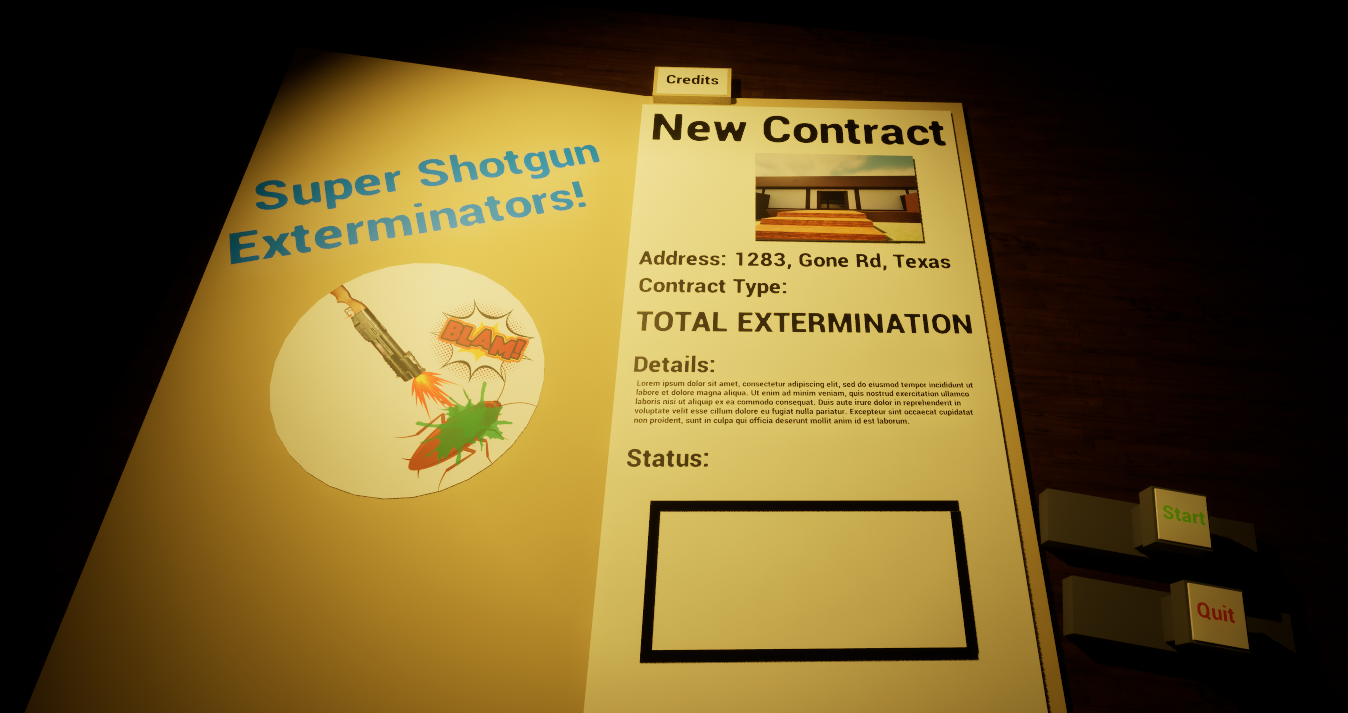
Calling 1-800-BUGS
Have you ever had a bug problem? Well, have no fear - just call the Super Shotgun Exterminators! We take care of your bug problems, big and small, as fast as pulling a trigger.
Super Shotgun Exterminator is a short, 5-week academic project with a team of designers from DigiPen. For this project, I was the producer, level designer, and user researcher!
We came into the project and quickly agreed on a couple ideas:
First: “To Shoot” is our core verb
Second: We must include bugs
This quickly became our take on “kill it with fire”, but instead, we give you a shotgun… for when the bugs are just that big.
Getting into the project, due to the short timeline, I immediately jumped into rapid white-boxing and iteration!
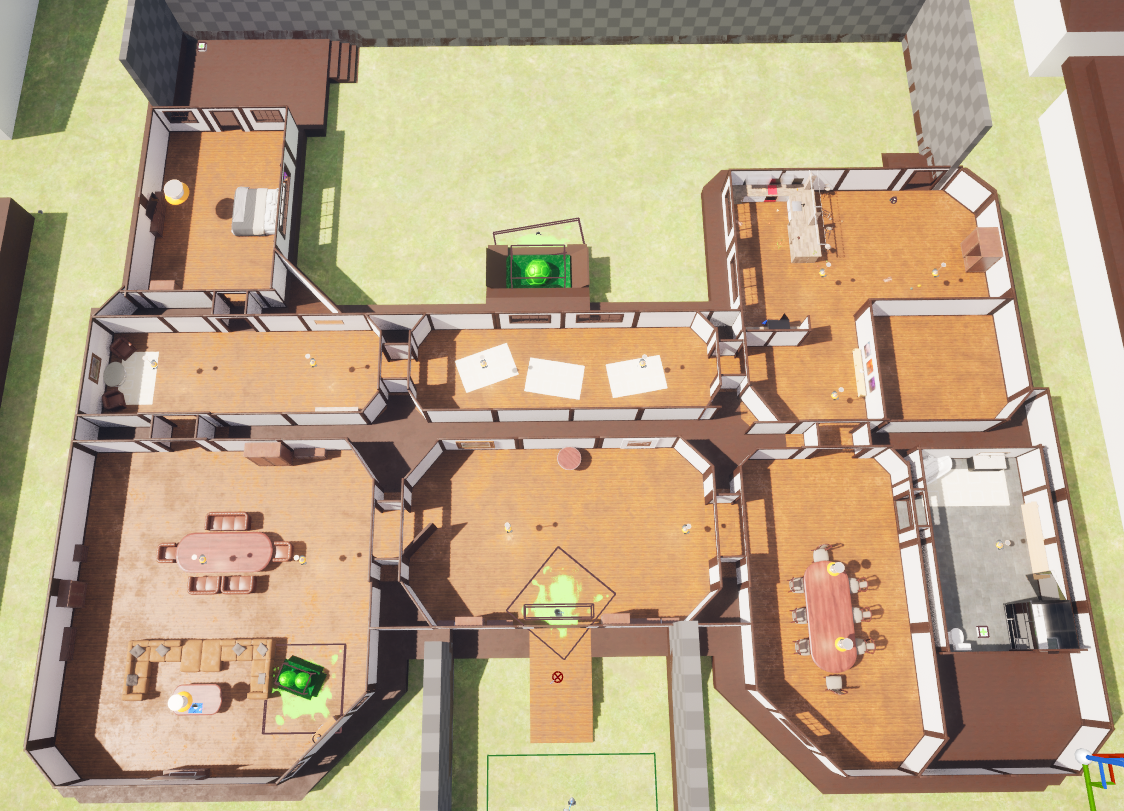
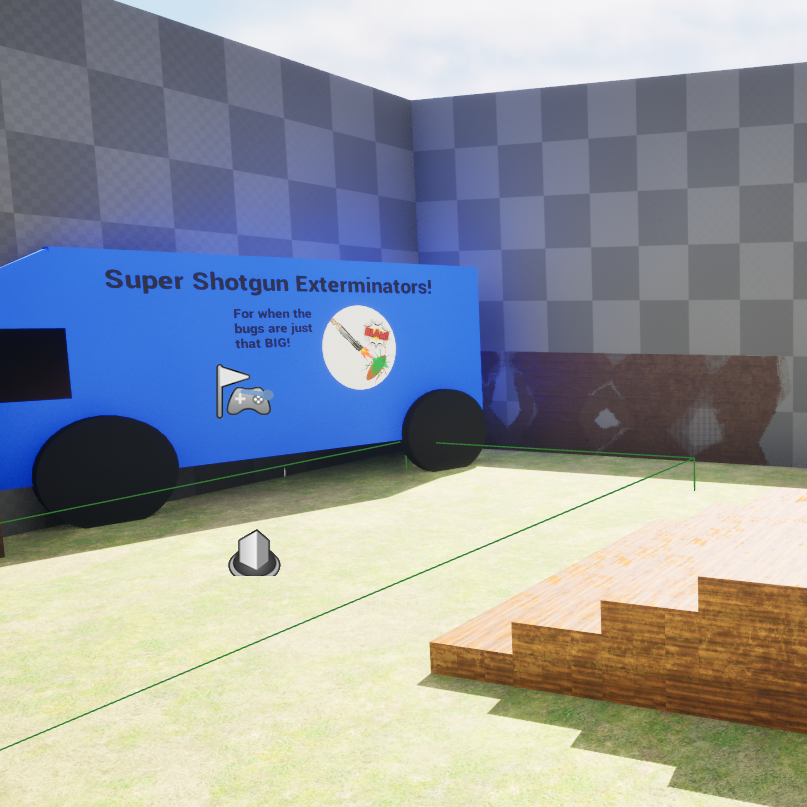
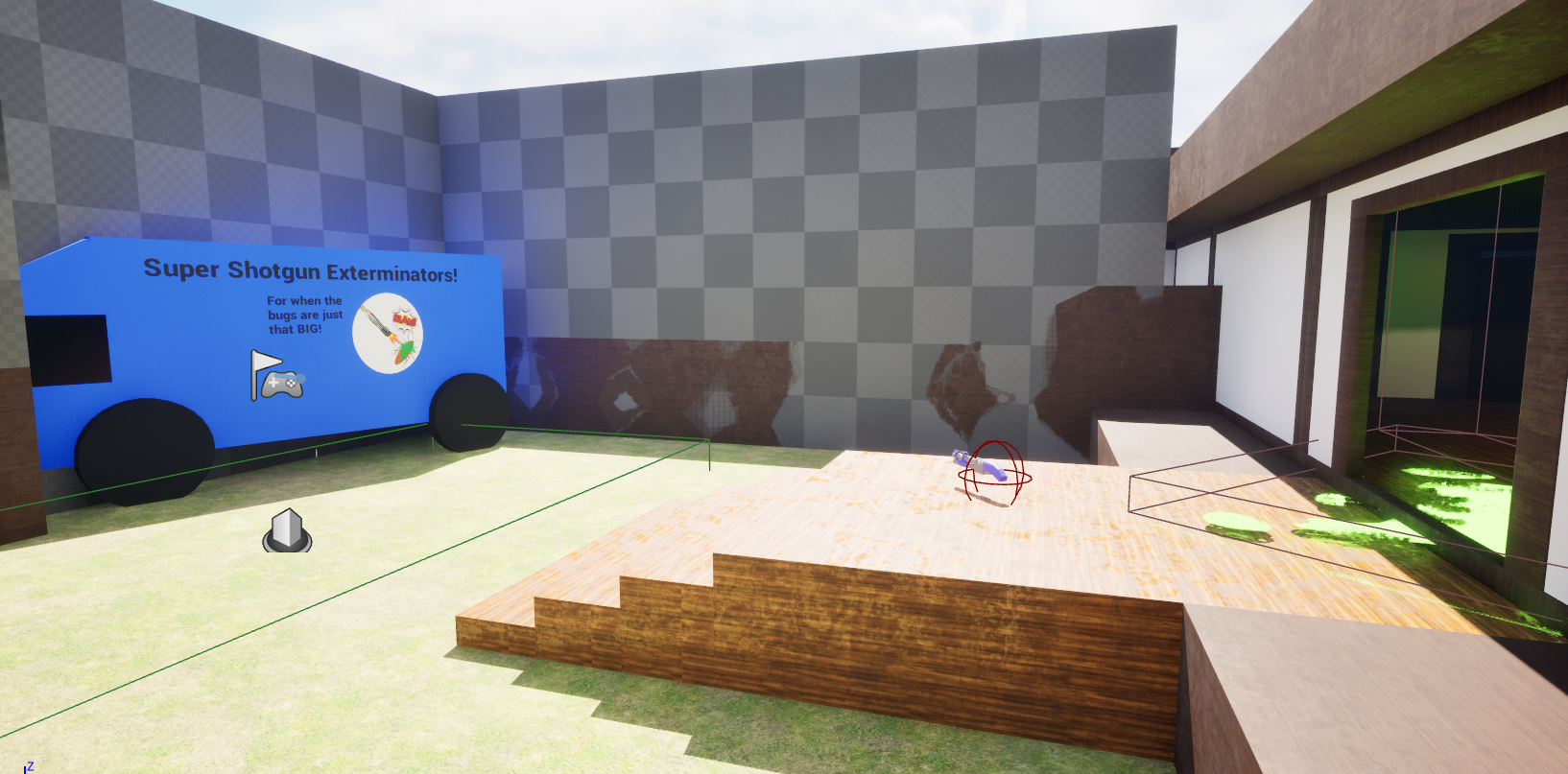
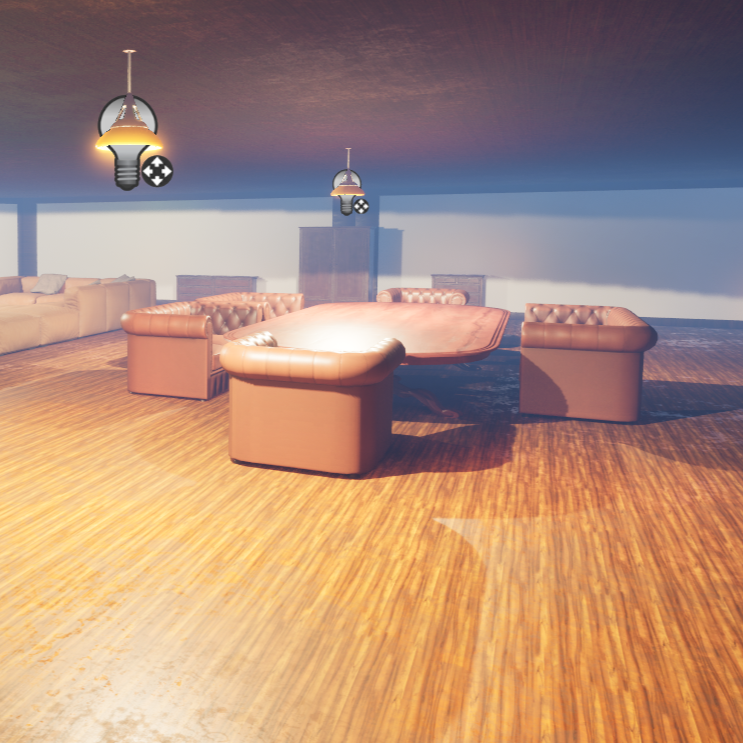
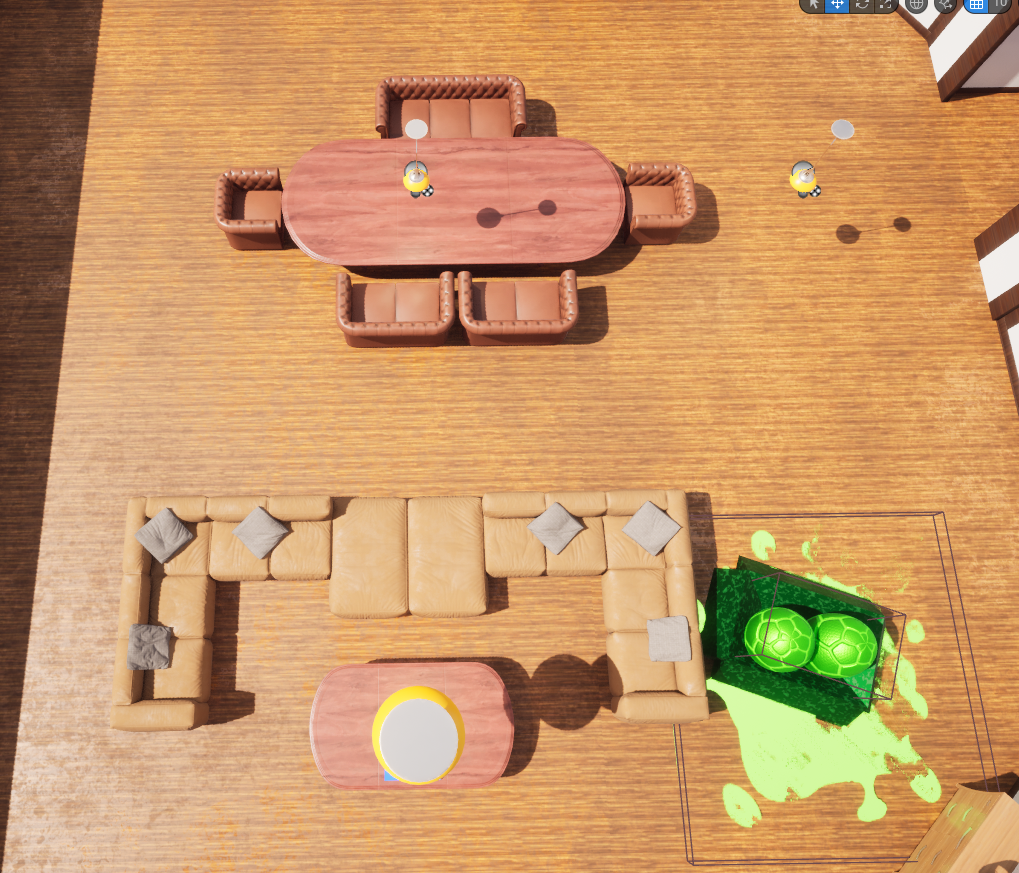
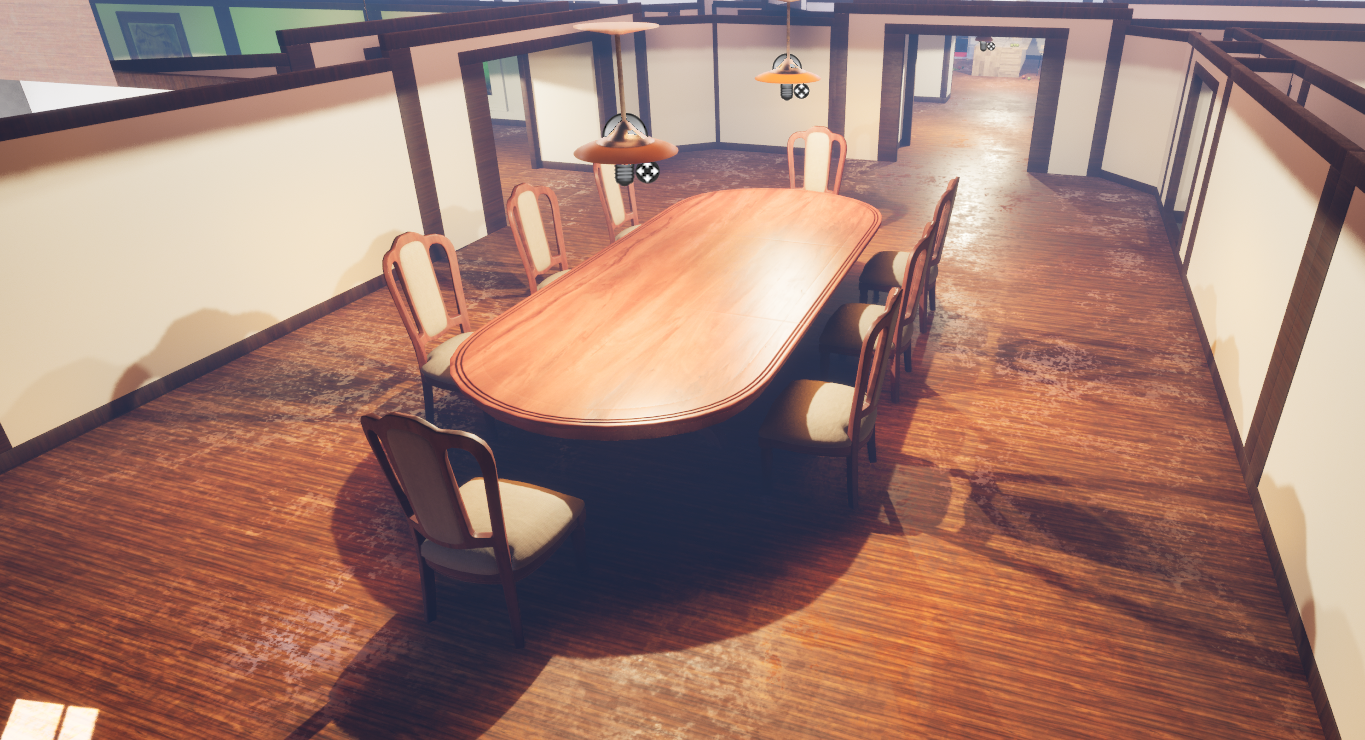
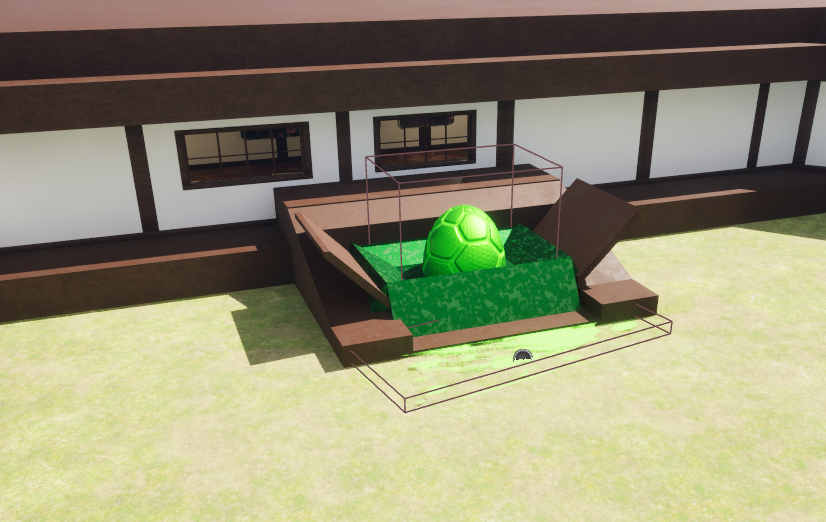
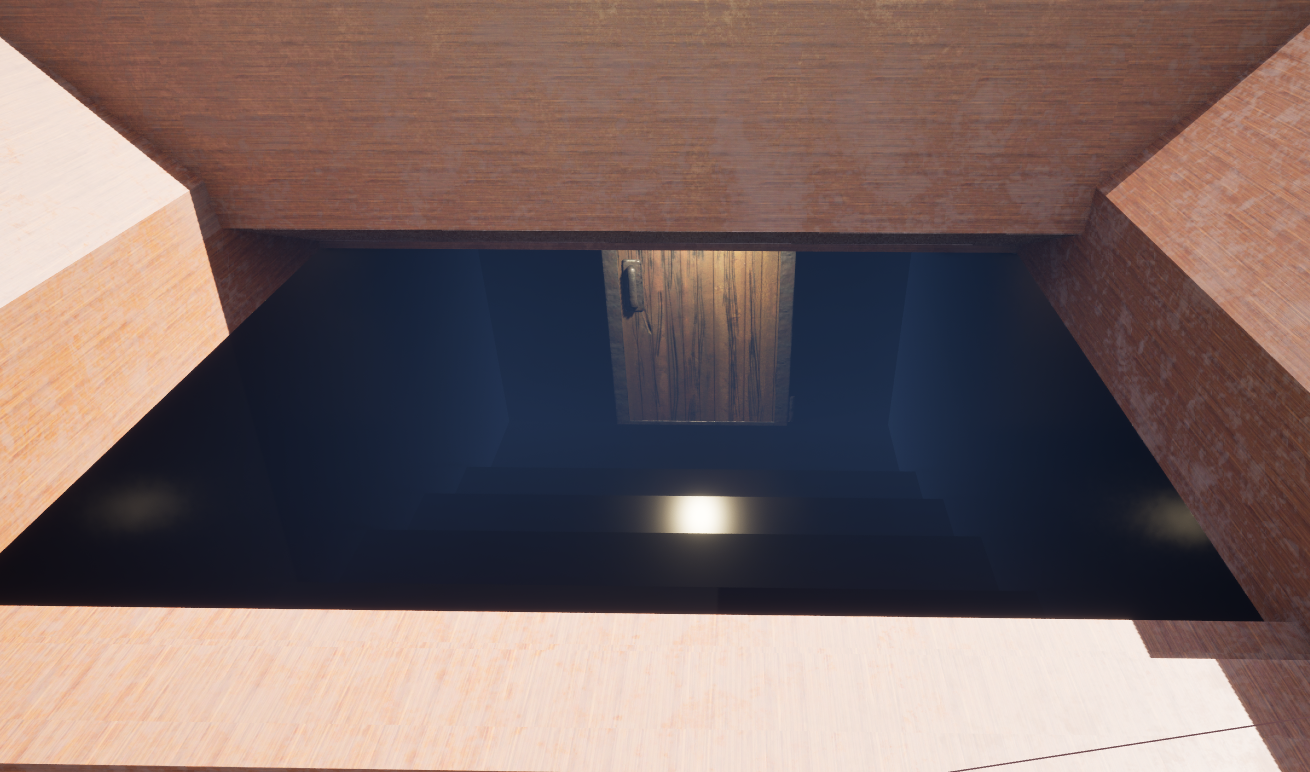
Creating our levels
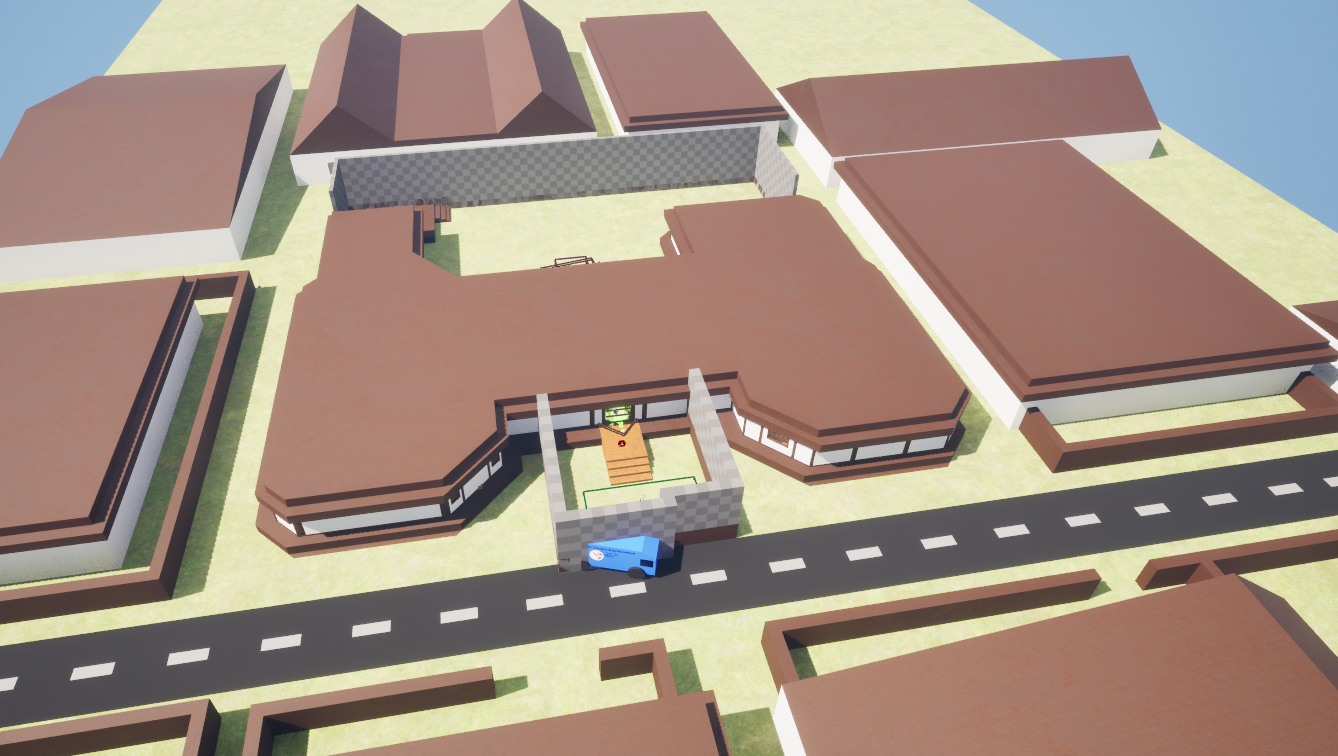
Due to the time constraints on this project, and the team being created with only designers, we were encouraged to use asset packs.
With that in mind, it was an interesting challenge to work within the constraints of what walls and tiles I was given.
The goal for this layout was to be able to create a looping floorplan for horde-like tailing within combat. I wanted to create a space where the player wouldn’t be as easily trapped, given the swarming behavior we intended for the bugs.
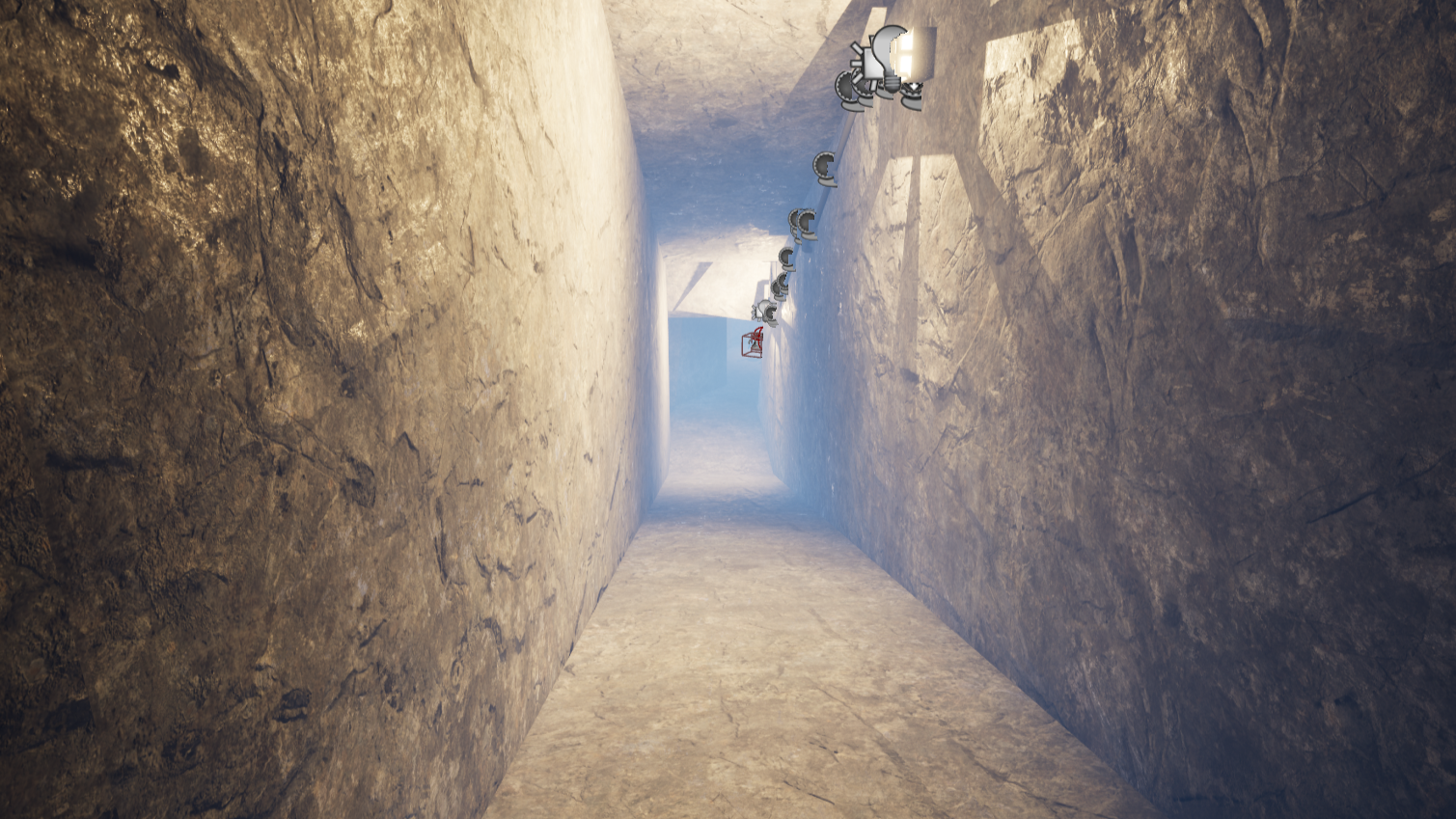
Basement Level
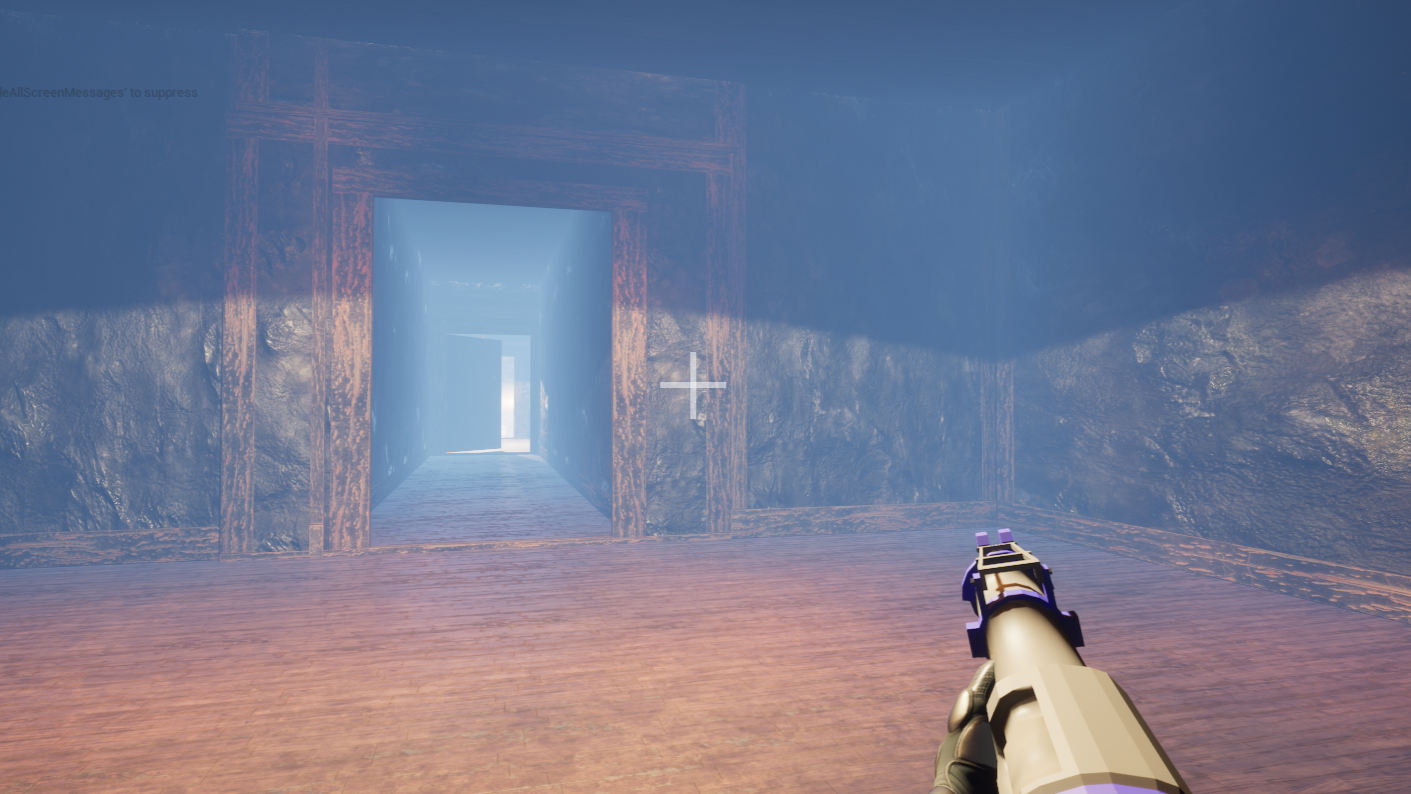
The basement level transitioned from being an more open level feeling to more claustrophobic.
You’re chasing the bugs down, but that also means you have less places to run.
That said, the looping theme is still present in some areas, to allow for trailing the horde behind you, and giving the player a moment to breathe.
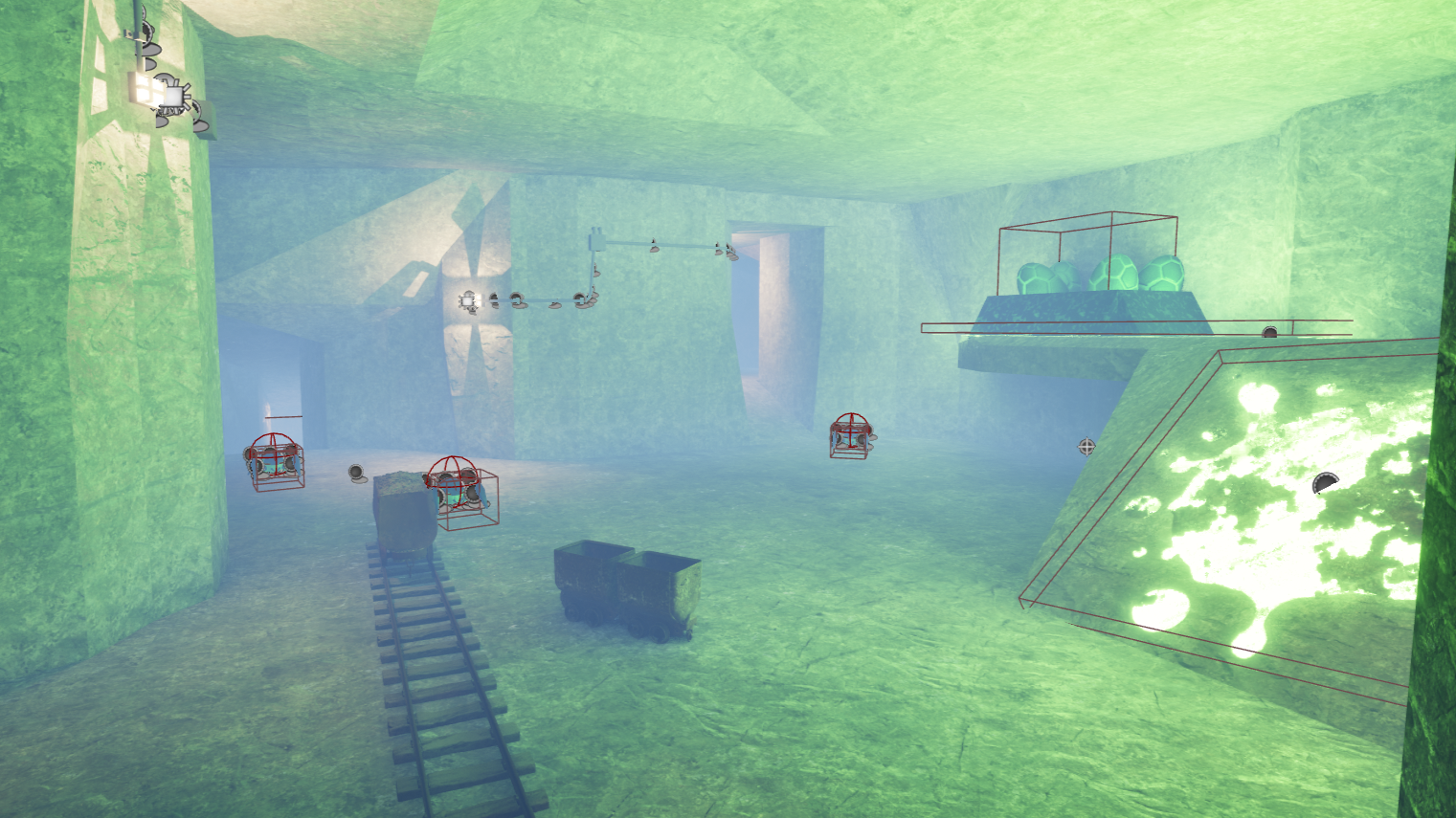
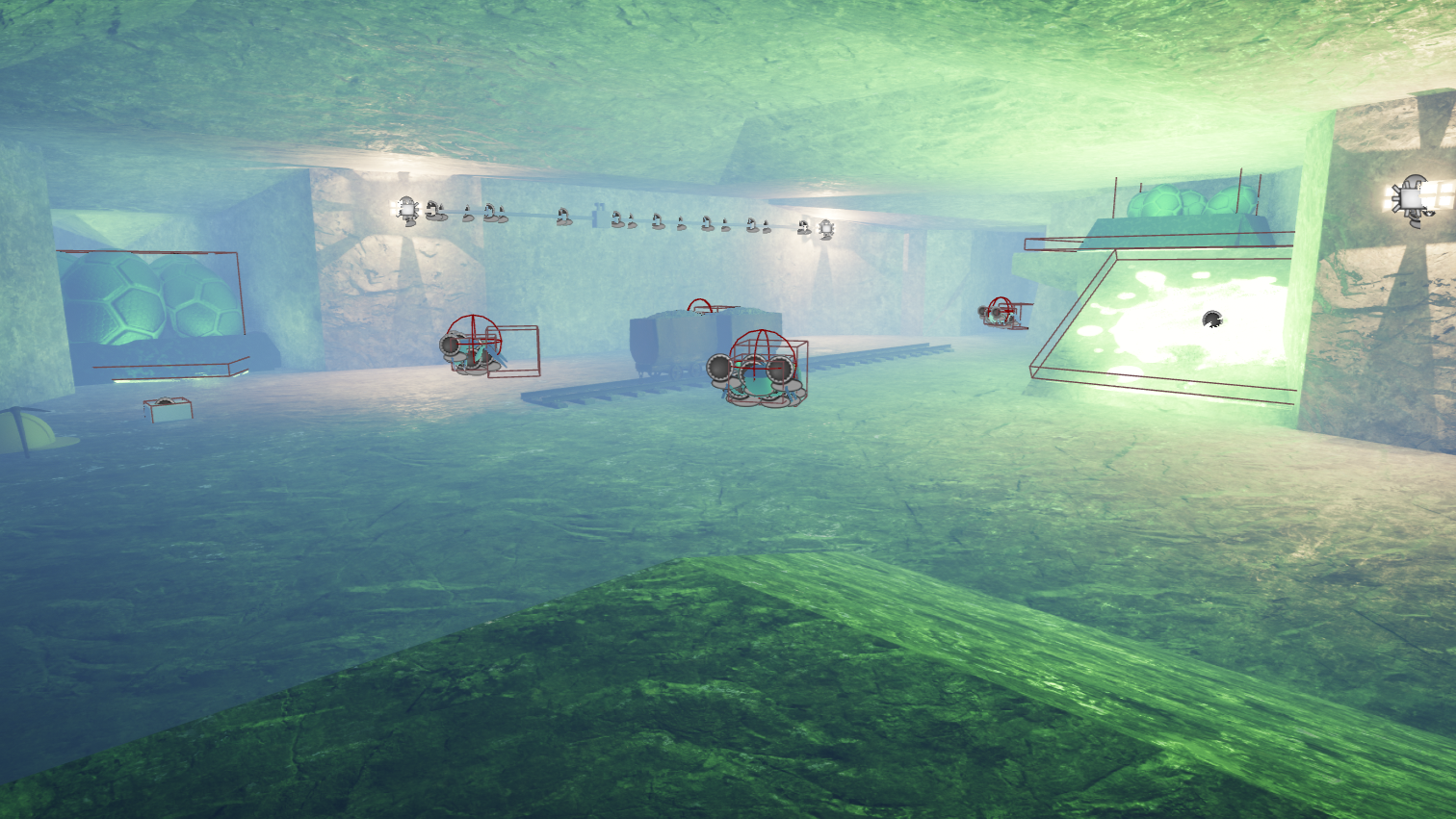
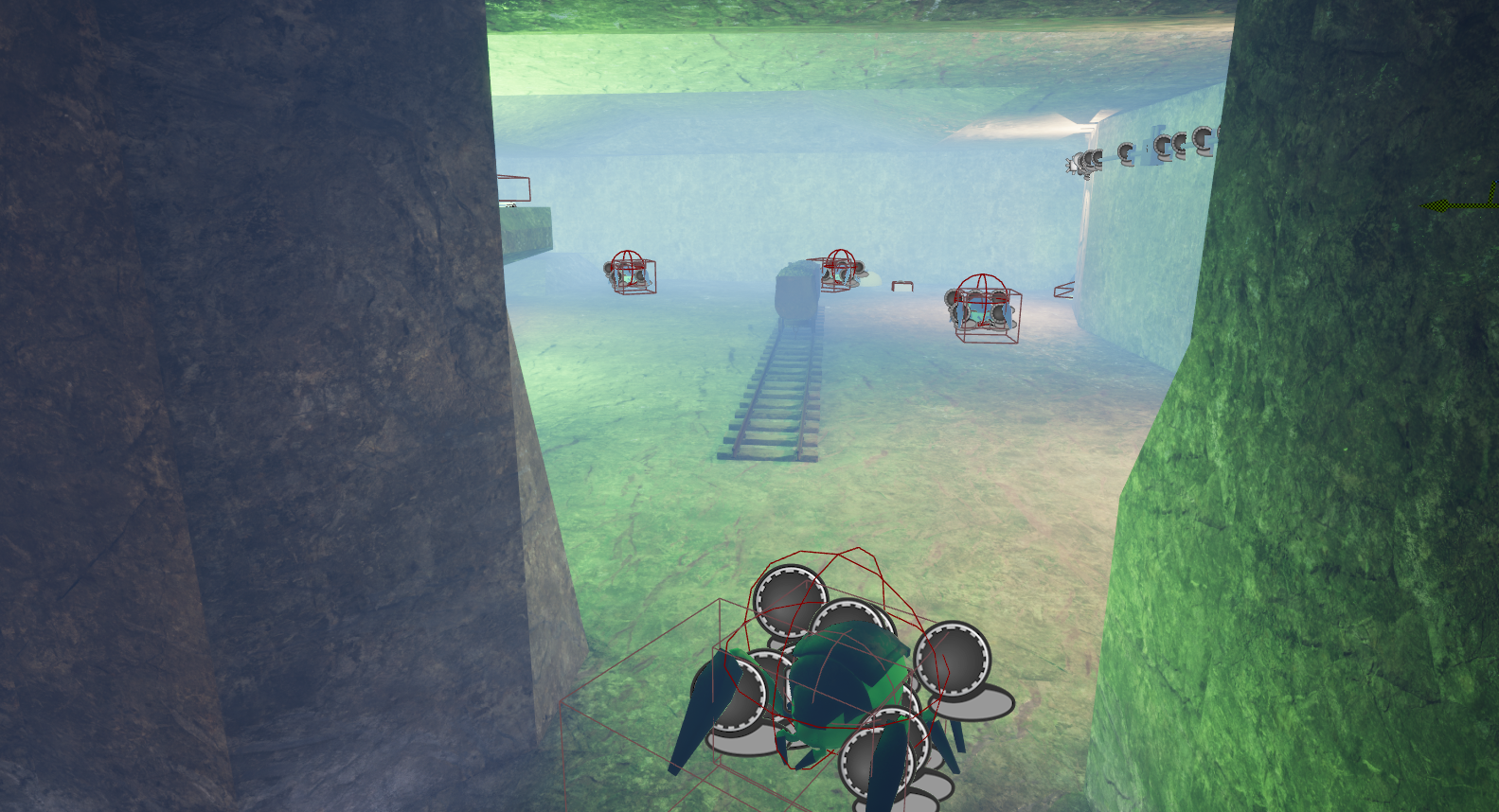
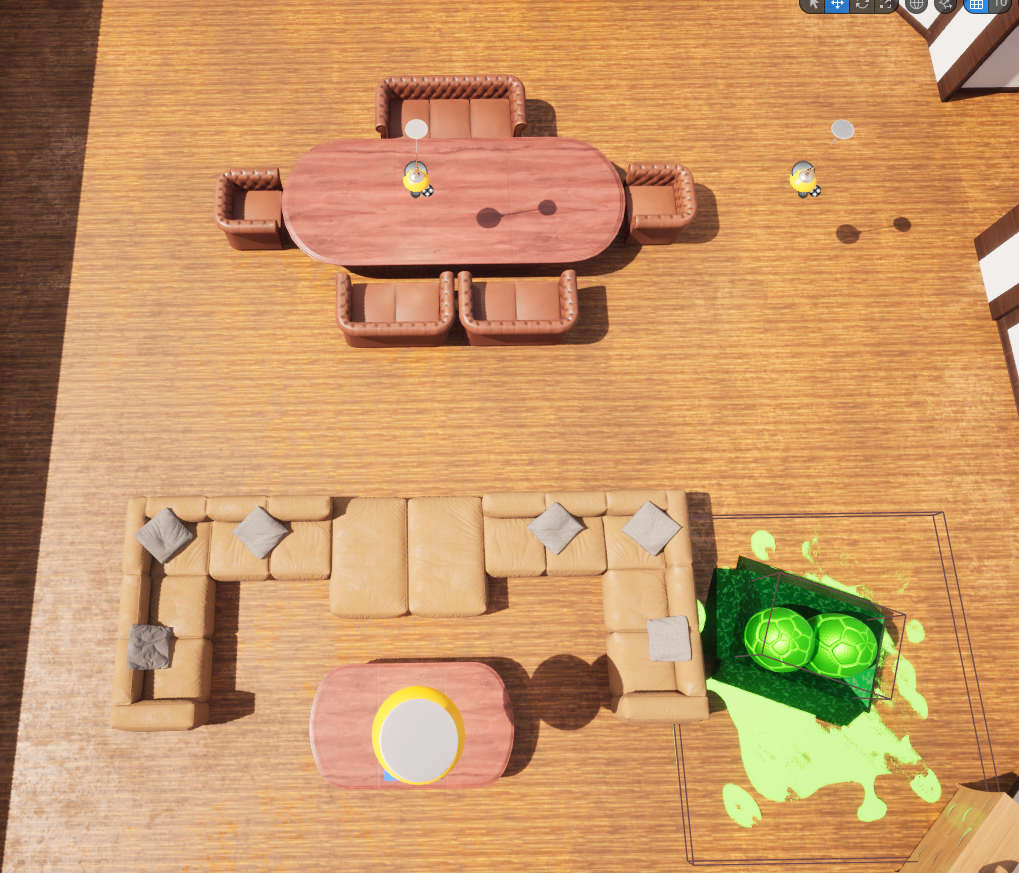
Leaning more into encounter design in mind, this level was also created, tested, and then repeatedly iterated on to give spaces for bug nests (where our lovely creatures spawned from until destroyed) and bug slime, an environmental hazard we added to match the splatter the bugs created when killed.
This last area pictured above ended up being an area really meant to train the waves of bugs that keep coming for our final encounter.
User Research
This game was one of my earlier experiences diving into User Research at my time at DigiPen, and it was such a good learning experience.
I was able to get feedback on the level design, encounter design and pacing, and also learn more about methodologies and pacing.
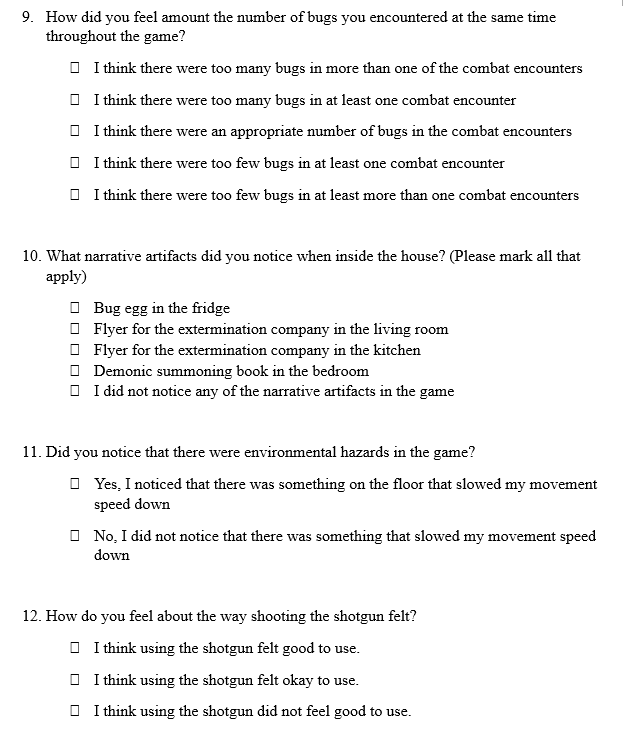
Snippet from UR survey
For this project, I did a lot of playtesting as well as short surveys.
The questions ranged from player experience, to asking about specific thoughts on game features that myself, and my team, wanted more feedback on.
Some of the specific things we wanted to know about was the pacing, how helpful the health packs were, and if we were hitting the narrative beats and hints we intended to.
After collecting all the feedback, we then used that to iterate, polish, and repeat in the time we had.
Narratively, we also were interested in creating an interesting story, where you discover a way beneath the house, leading to an odd basement-turned-cave, and then eventually, to a weird infested lab.
With our time constraints, we pivoted and ended up cutting our third area, but decided to leave the exit to our cave more open-ended, and allowing us the opportunity to come back for future iterations or another ending.