Student Team Project at DigiPen Institute of Technology
Roles:
Tools:
Skills:
Project Goal:
Revna
Producer, QA Lead, Level Designer, User Researcher
Unreal Engine 5, Microsoft Excel, Microsoft Teams, Microsoft Word, ClickUp, Figma, Perforce
Task Tracking, Agile, Scrum, White-Boxing, Environmental Storytelling, Encounter Design, Project Management, Playtesting, QA Testing
Create a short action-adventure experience with environmental storytelling and engaging combat.
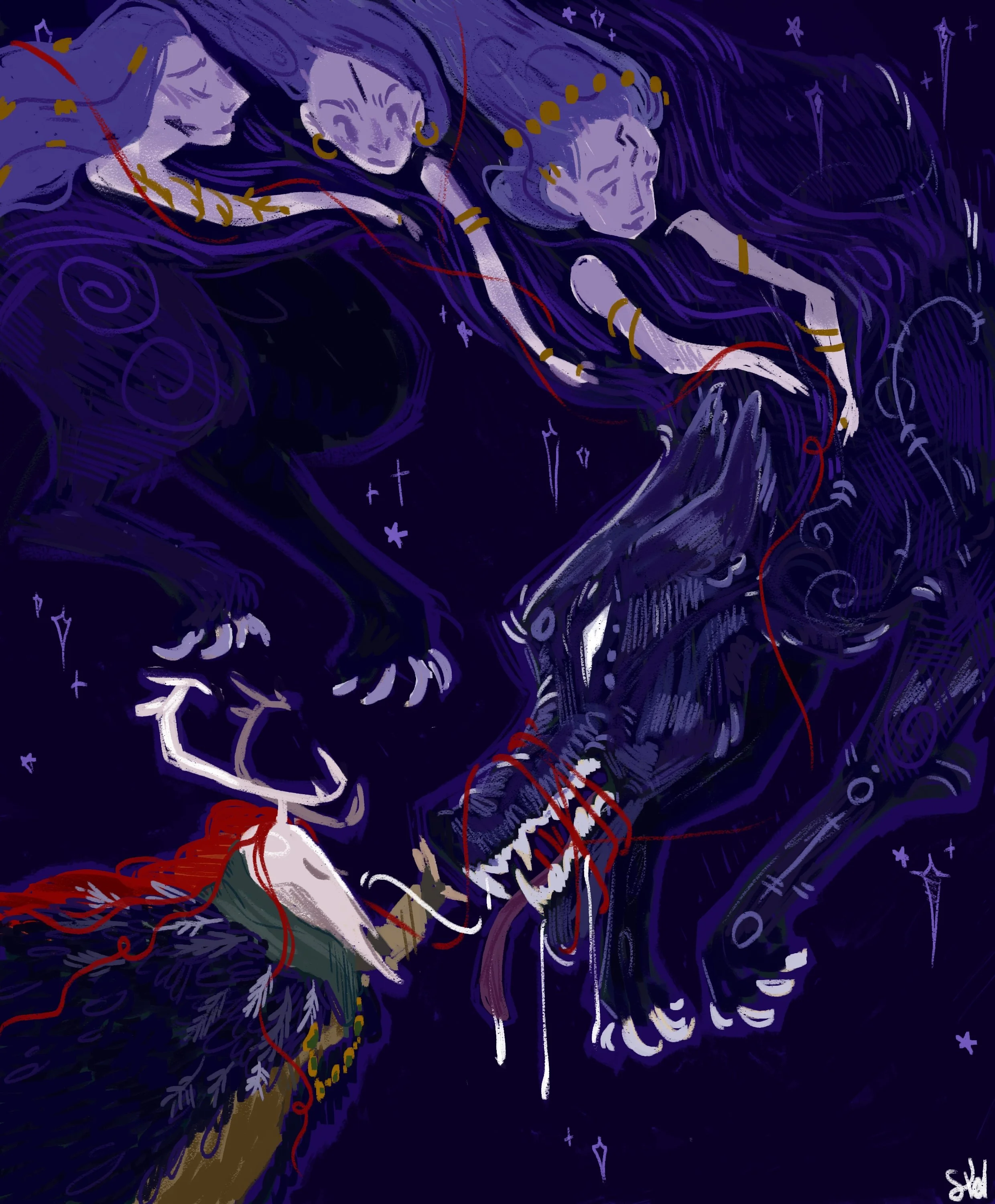
Artwork of Revna by Stella Moosman, 3AM Studios
Our goals began with creating a strong narrative through the environment, art, and design of the game.
As Revna traverses through this magical Nordic forest, she will encounter foes, puzzles, and new sights. We are striving to combine simple but polished combat and storytelling into this experience.
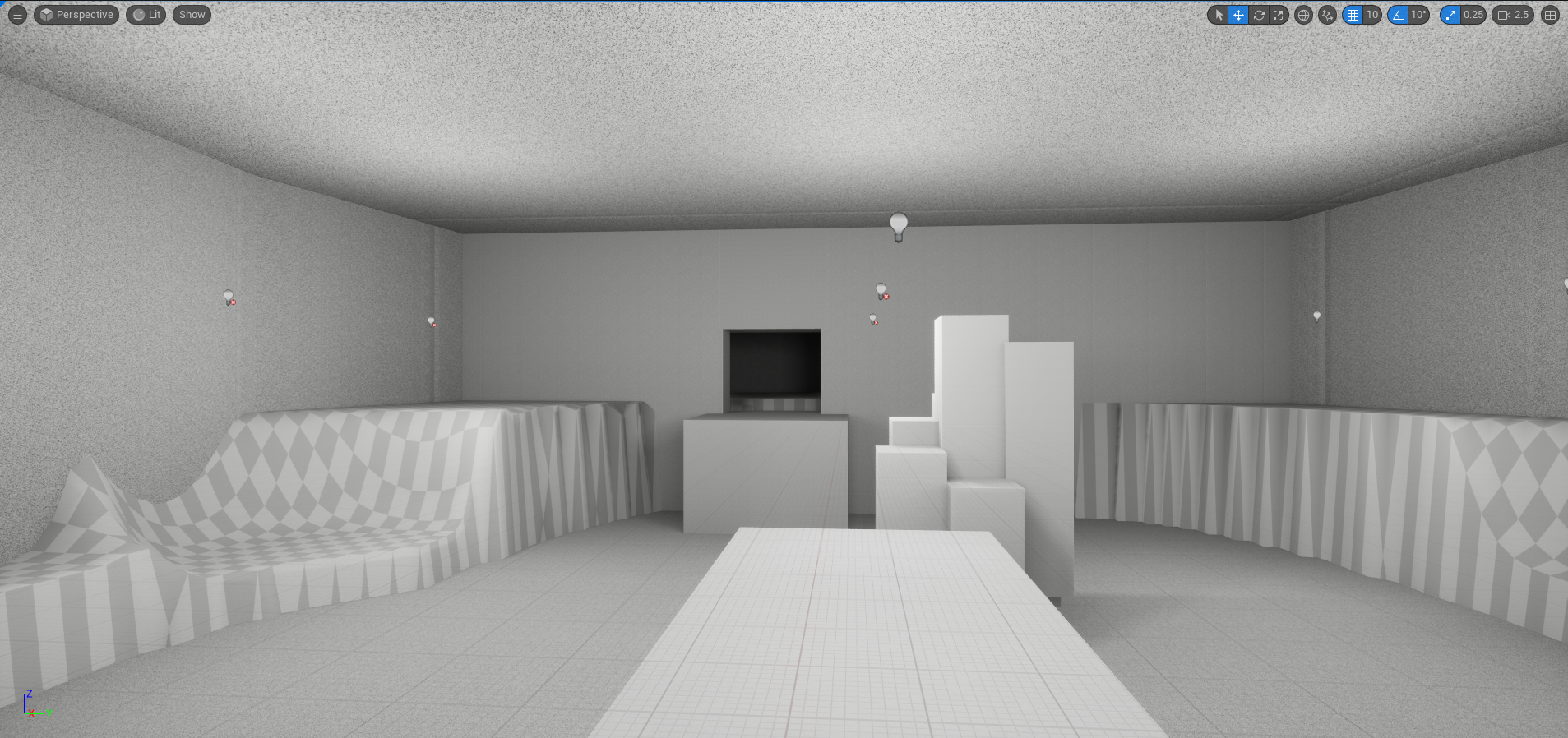
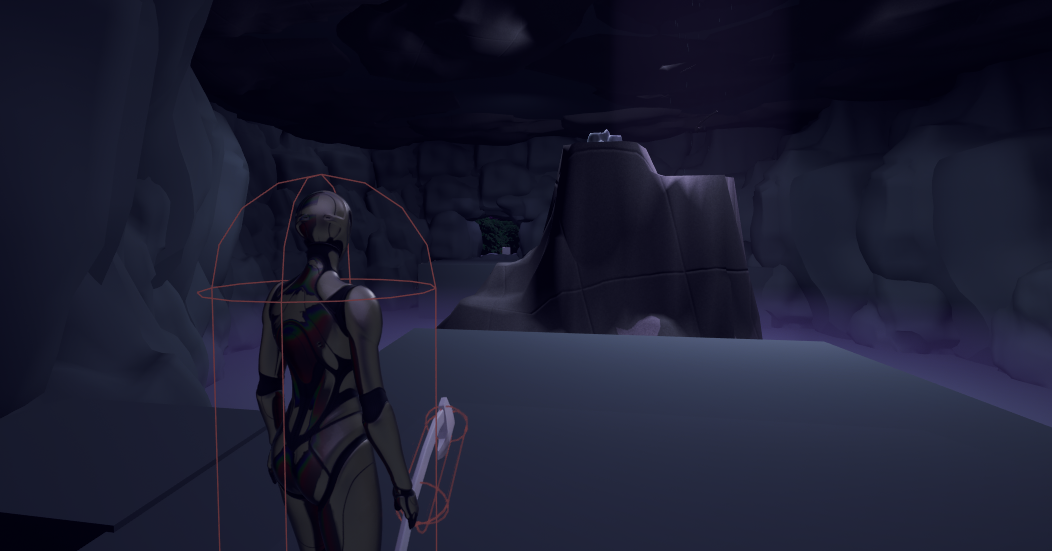
First area: Cave
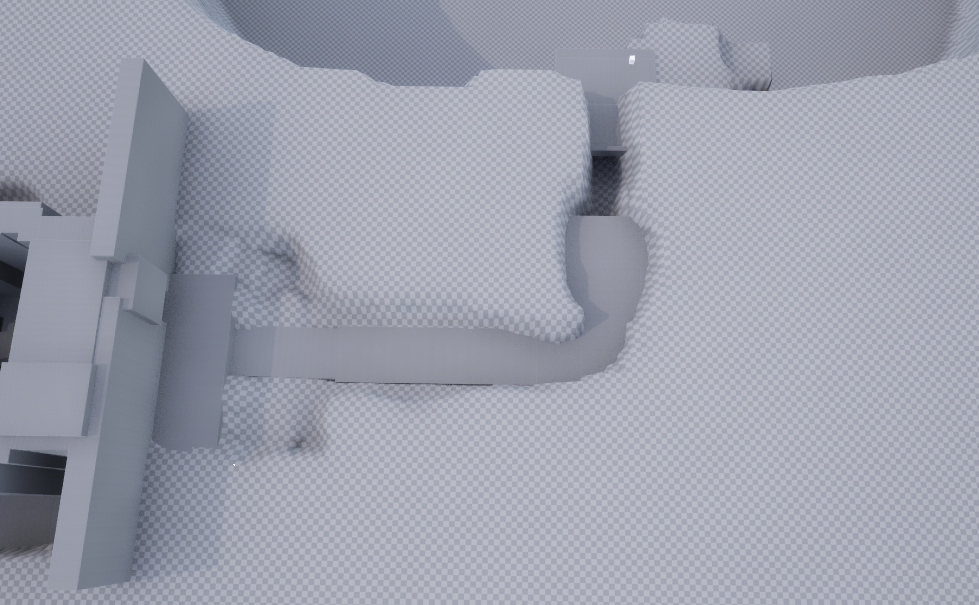
Next area: Cliffs
After the forest, we experience a HUGE pivot.
Unlikely earlier concepting, we decided at this point in production to not go for a spiral overall map, and instead spent a lot of time rapid white-boxing to determine what environments we wanted to explore as we move out of the forest.
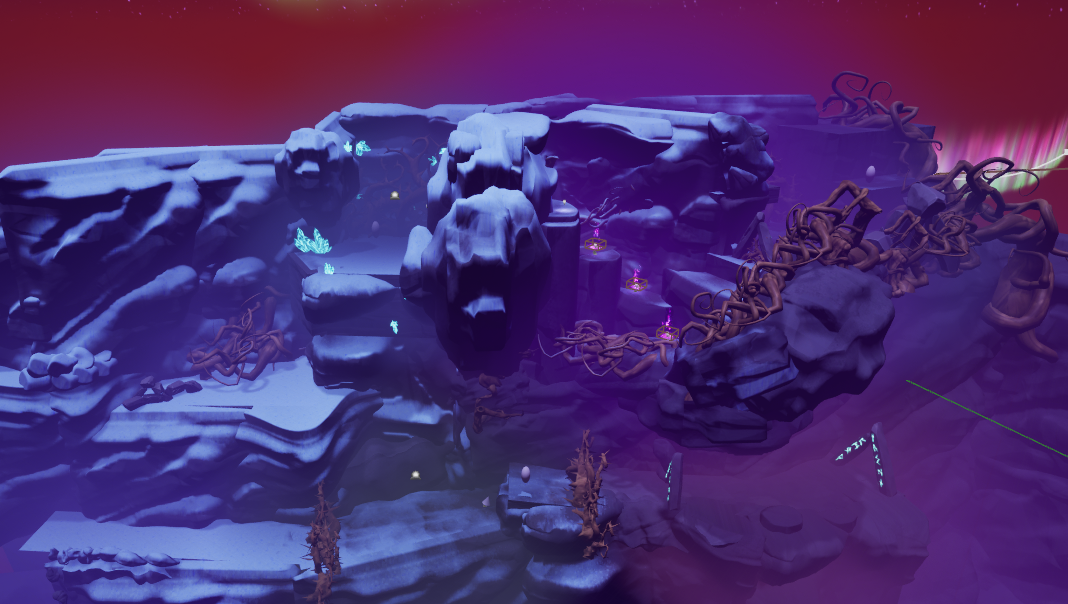
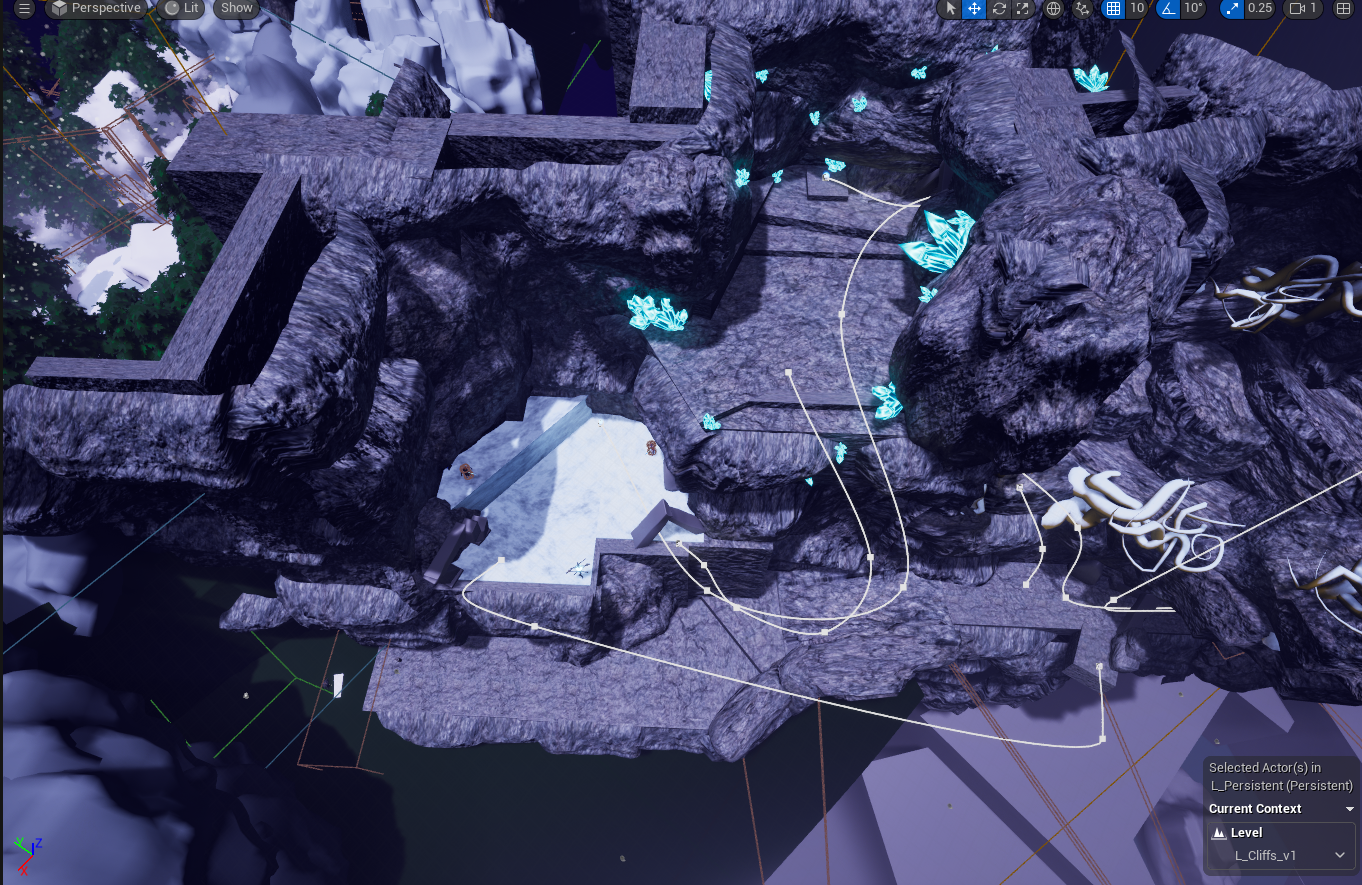
Eventually, we ended up at the cliffs.
This was initially started by another designer, before being given over to me to iterate to help with clarity for sightlines, guidance, and environmental storytelling and set dressing.
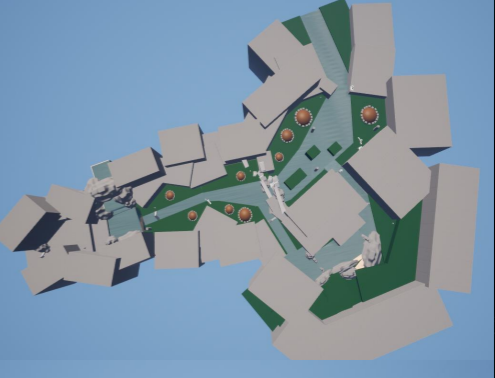
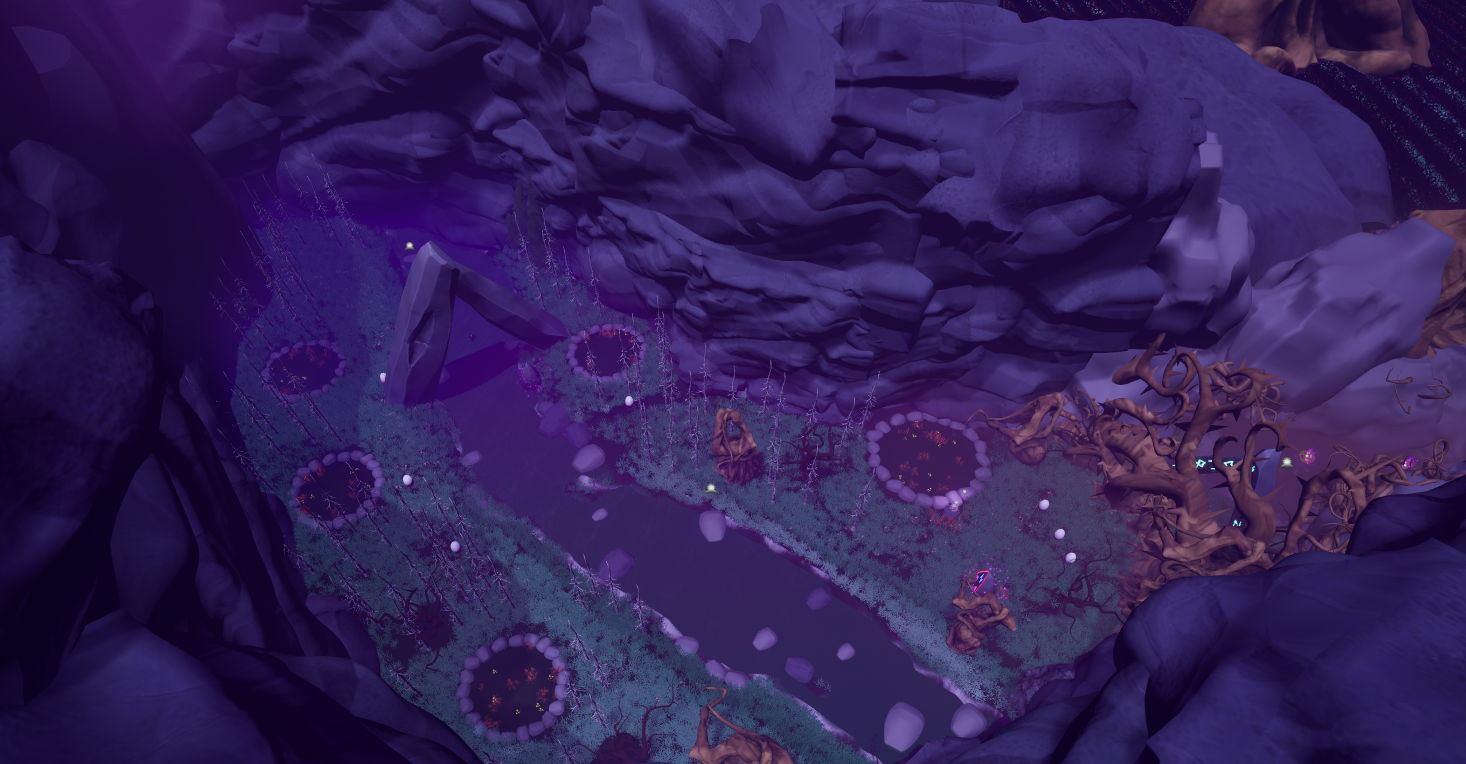
In early iterations, the burial grounds were very long and included combat. With the scope of the overall game in mind, we pivoted to instead create this as a narrative, low tension area before you reach the final fight in the game.
Most of the iteration cycles done here were based on playtesting for finding narrative, pacing on how long the level takes to move through, and what players interpreted from the design.
→
Overview
Have you ever wished you could change the past? Revna does, when tragedy befalls her family. Drowning in her loss, a new path opens to her in a dream.
Find the alter, prove yourself, and place your offerings before the Norns who control your fate.
Revna is an action-adventure game where she seeks to collect runes across this mysterious island, fighting her way through Norns and collect offerings at the end.
Production & QA
For this project, I was a producer for a 17-person team. For production, I used Agile and Scrum production methods with sprint planning, strike teams, and adaptive leadership to pivot direction and tasks to work towards the final product.
For Quality Assurance, I collaborated with our build master to run QA checks, and wrote, facilitated, and tracked quality assurance tests, smoke testing, bug testing and reporting, build notes, and ongoing changelogs.
Initial Concepting
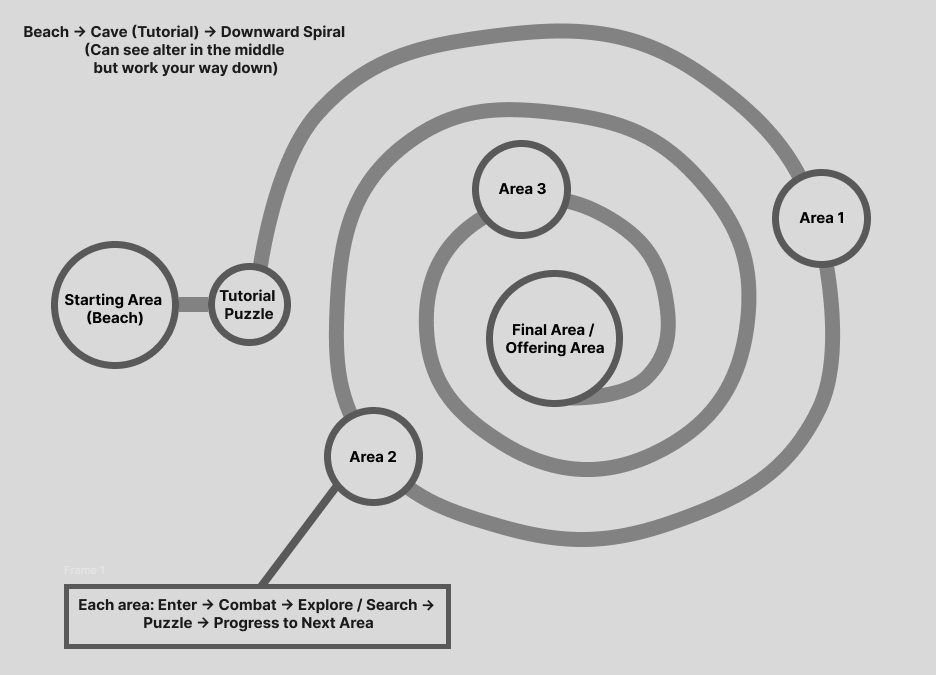
Level Concepting
For our levels, we began with wanting to create an explorative experience, but quickly pivoted to instead focus on a more linear, narratively driven environment.

This area is where most of the mid-game combat takes place as well, so the level adjustments and design were made with encounter design in mind.
Similar to the cliffs, this was initially started by another level designer before making its way to be more iteration, playtesting, and more iteration.
→
Burial Grounds when it was first handed off
Many cuts and iterations later
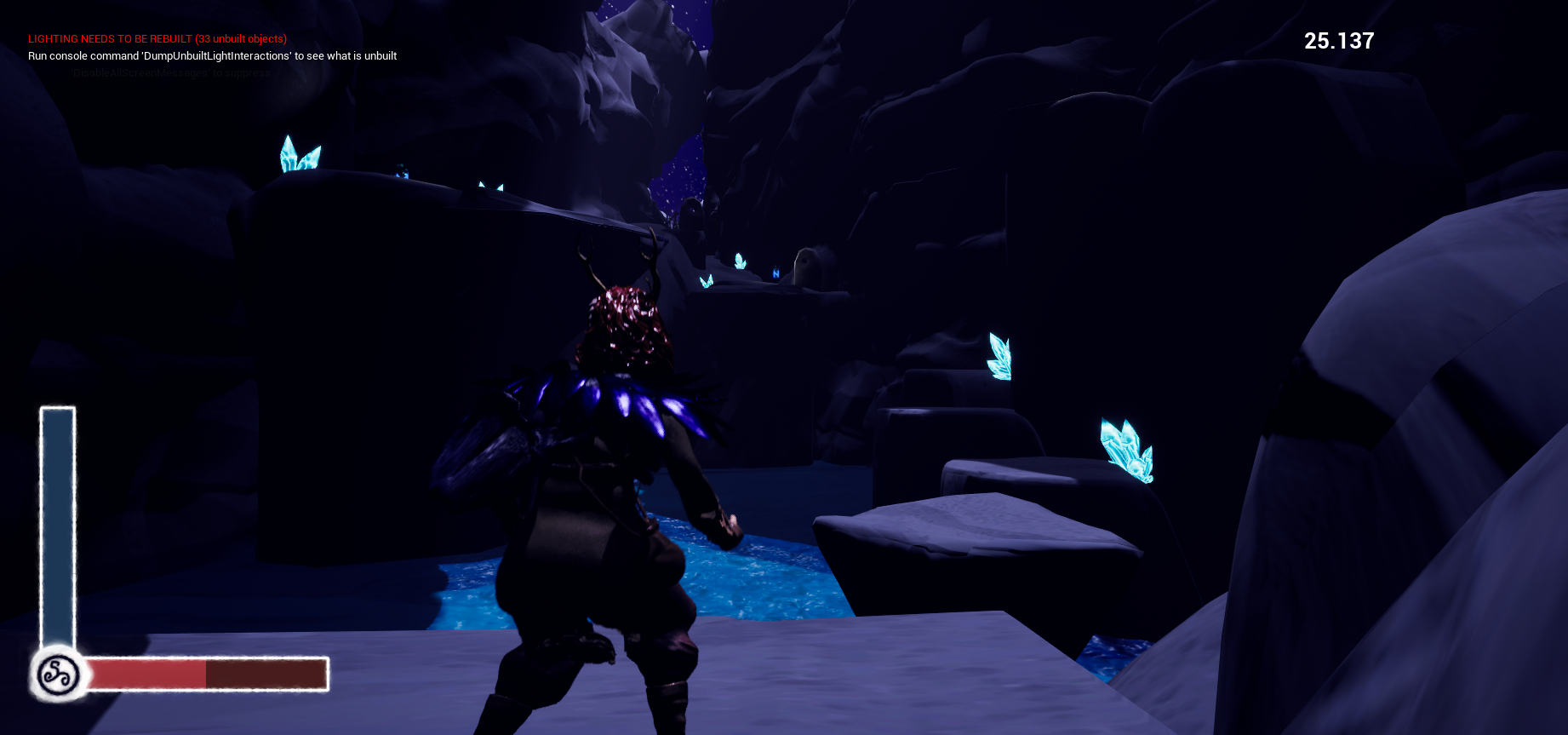
For this first area, we went through many iterations to teach different movement mechanics to the player, along with set up a “wow” moment when exciting into the forest for the first time.
This area proved to be a challenge to tweak for teaching mechanics without allowing the player to skip over them while still keeping the idea we envisioned in mind.
This area also went through big changes later when we faced new challenges, such as concerns with lighting and clarity found during playtesting.
With this, we came to a big pivot where I readjusted our cave into a ravine, ripping the roof off and diving into learning how to do lighting with our artists to create the feeling we needed.
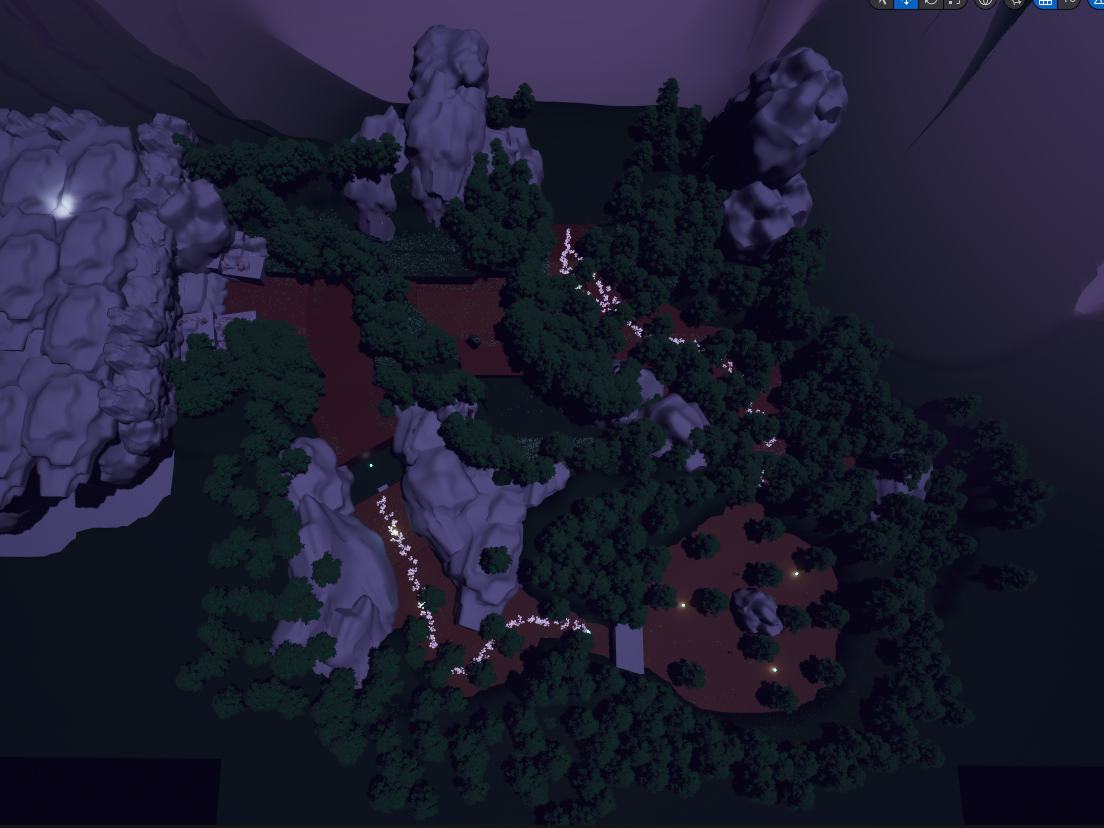
Next area: Forest
Moving into our forest, this area was a new experience with iterating in a collaboration cycle with other designers, where we would pass the level off continuously to make changes based on playtesting feedback, UX needs, and mechanic / combat adjustments.
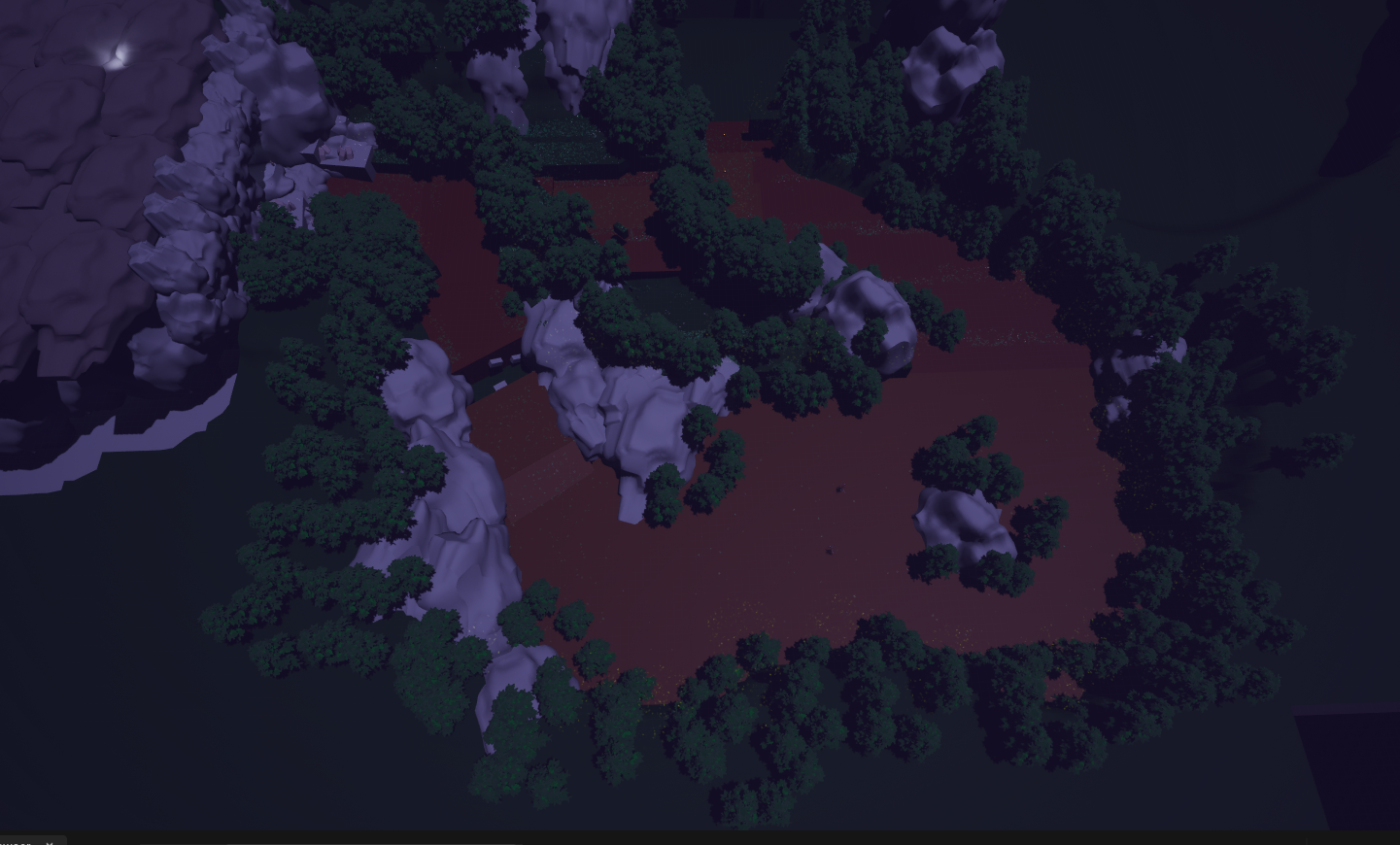
Next area: Burial Grounds
Through iterations, we focused on adjusting pacing in the levels, along with adding in narrative story stones to help continue the story we started at the beginning of the game.
Iterations continued as combat proved to be too challenging, and movement felt confusing in some areas. After continual playtesting, we focused on creating a continuously engaging player experience and trying to introduce paths and mechanics as intuitively as we could.