Distress Signal
Student Team Project at DigiPen Institute of Technology
Roles:
Tools:
Skills:
Project Goal:
Producer, Enemy AI & Systems Designer, User Researcher
Unreal Engine 5, Microsoft Teams, Microsoft Word, Microsoft Excel, Trello, Perforce
Task Tracking, Behavior Trees, Encounter Design, Rapid Mechanic Prototyping, Blueprinting, Project Management, Playtesting
Create a first-person atmospheric horror game.
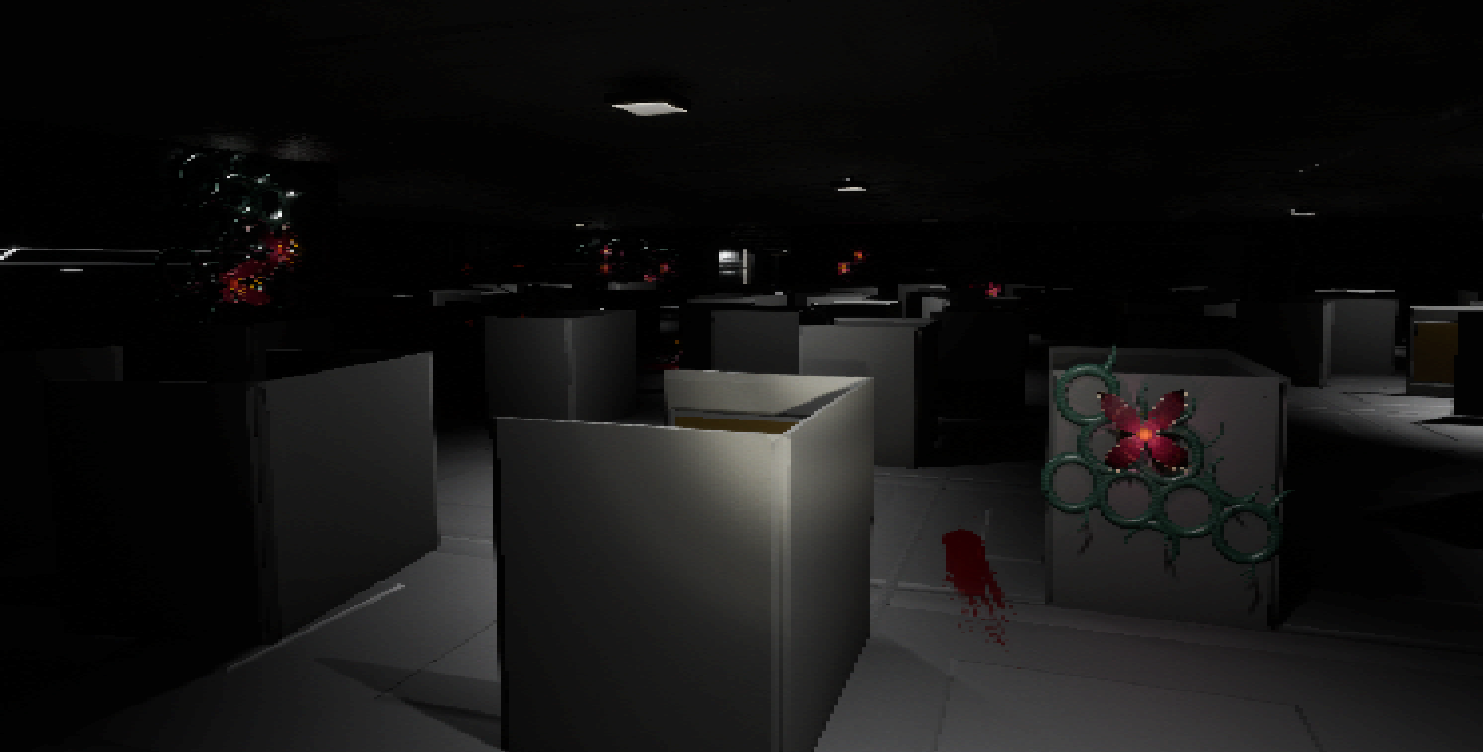
Awoken, alone, on a ship in space invaded by alien fauna and a creature that prowls the halls.
Find the keys you need to escape, and get out before its too late.
Production
Getting Started
Creating enemy behavior
Early on, we decided we wanted to go for some sort of alien hunting you down on your ship. With this, we also explored ways to create tension, like a creature who was really in-tune with their senses - specifically their hearing, in our case.
From there, I began working on an enemy behavior that could hear well, move towards sounds, and search the area to try and find the player.
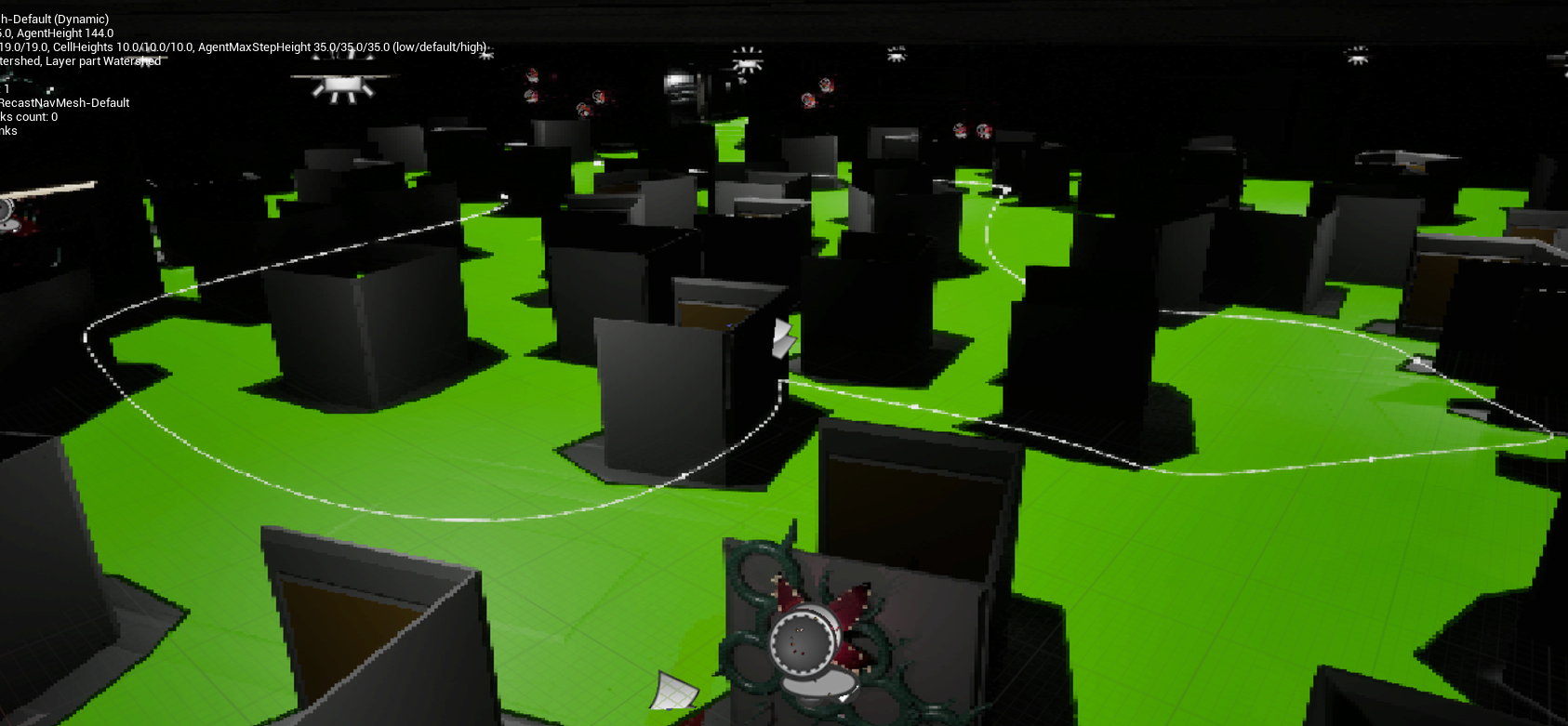
Spline pathing in one of the gameplay levels
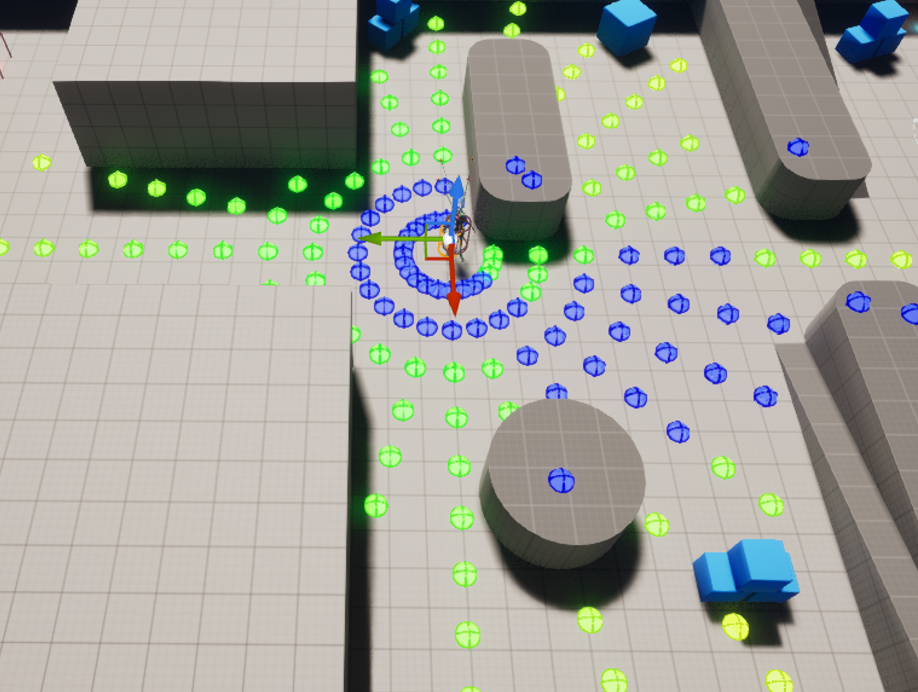
EQS in enemy sandbox level
Using EQS is something that I thought was very interesting to create the searching behavior. Using this, I was able to prioritize the enemy searching around corners and feel a little smarter and more dynamic than only going to the location the AI Sense was triggered at.
If I were to remake, or reiterate on this project, I would actually try using EQS or other methods for patrol to create a more intuitive, smart-feeling enemy. Using splines for patrolling worked, but was a very beginner friendly and rigid method, especially for something like a horror game.
Other systems and mechanics
I also really enjoyed using the different AI senses, and creating triggers to attract the enemy towards the player, such as when getting too close to a trigger plant, sprinting, and turning on your flashlight.
I also added a behavior to track the distance between the enemy and the player, and when the player was too far away, the enemy would then path towards the player’s location to patrol.
This helped the enemy feel more present, especially with the scale of the level we were working with.
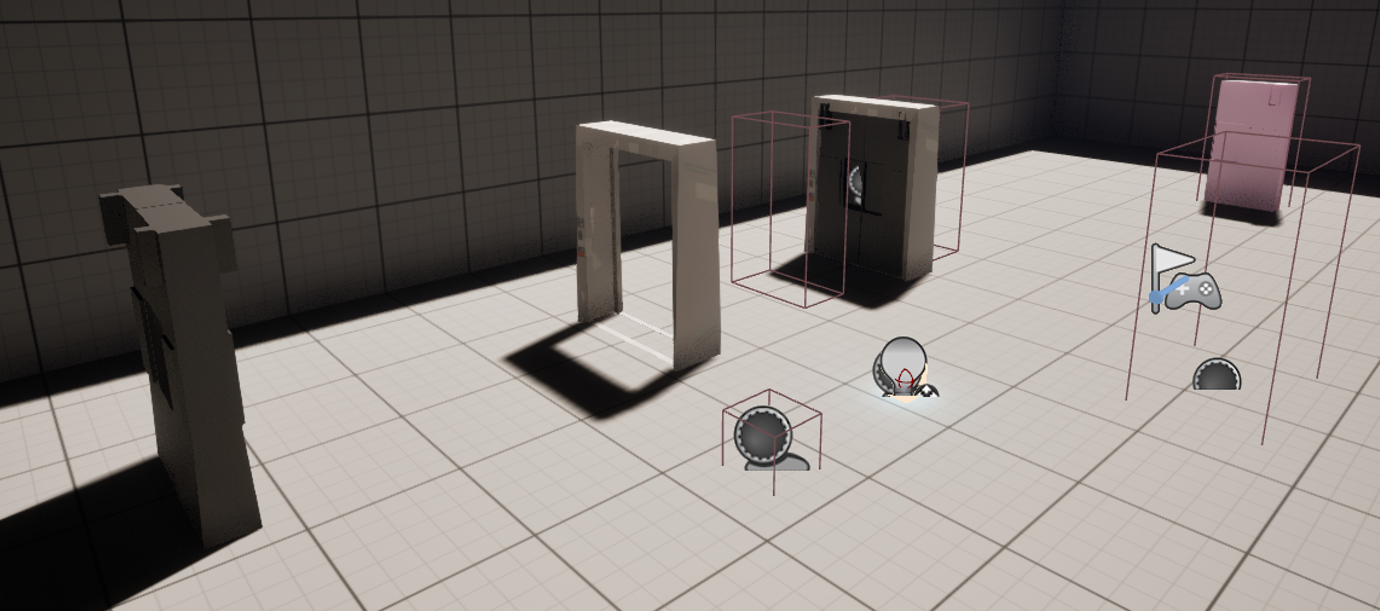
Doors and keycards in enemy sandbox level
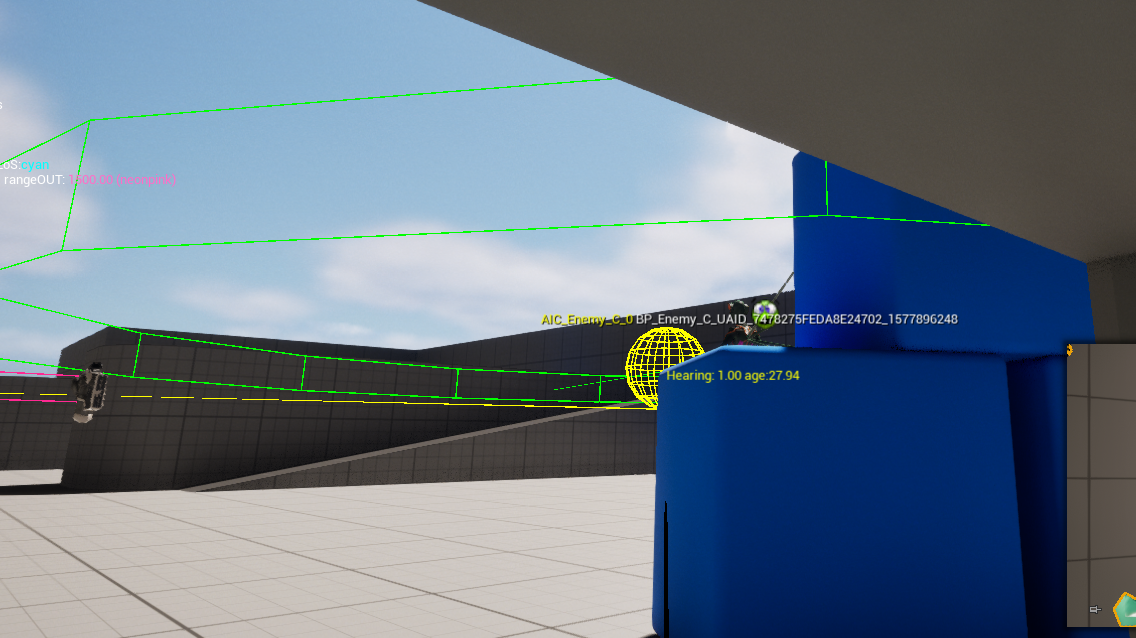
Hide mechanic testing in enemy sandbox, near perception trigger
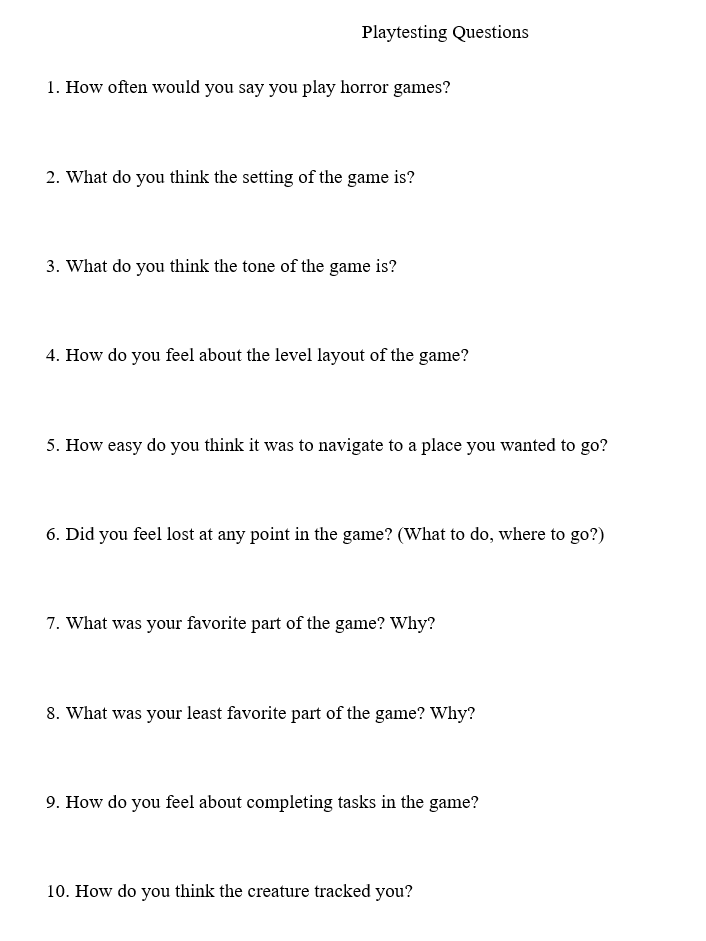
For this game project, I chose to focus on structured interviews with specific questions as a follow up to playtesting.
Observing player behavior and then asking some more qualitative-intended questions made for more time consuming user research, but I also gained a lot of information with specific details to be able to provide to my team.
I felt like this helped our development process, since it touched on what players were thinking and why they felt that way.
Some questions asked during the structured interviews included:
How do you think the creature tracks you in the game?
Did you use the hiding mechanic? If so, what did you think of it?
What do you think the tone of the game is?
If given the chance to do another project like this, I would want to take the time and collaborate more to be able to get a bit more playtesting done, earlier and more often, to help keep a strong picture of what players are thinking in mind, compare that to our team vision, and polish from there.
Systems and Enemy Design
I worked as the primary systems designer, taking over the enemy AI and other simple mechanics such as hiding, a trigger-reactive plant hazard, and our door and keycard system.
This project was a great learning experience for me as I stepped into the world of AI controllers and behavior trees in Unreal Engine.
I learned a lot about these tools, improve my skills with blueprinting, and had a lot of ways I could do it better in the future, moving forward. This also is a project that really sparked a greater interest in systems design, and continuing to learn more about enemy AI behaviors and other aspects of enemy design.
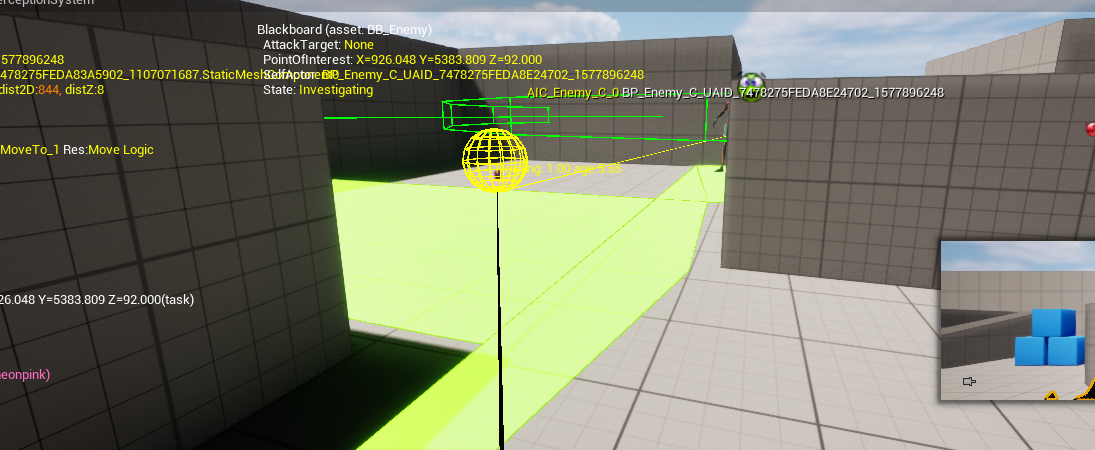
For this, I used a combination of splines and different behavior states to go from passive, to patrolling, searching, and actively chasing the player.
I also had a variety of different tasks and behaviors within that for things, such as facing the player, losing sight of the player, changing states, searching last known player location using EQS (environmental query system), etc.
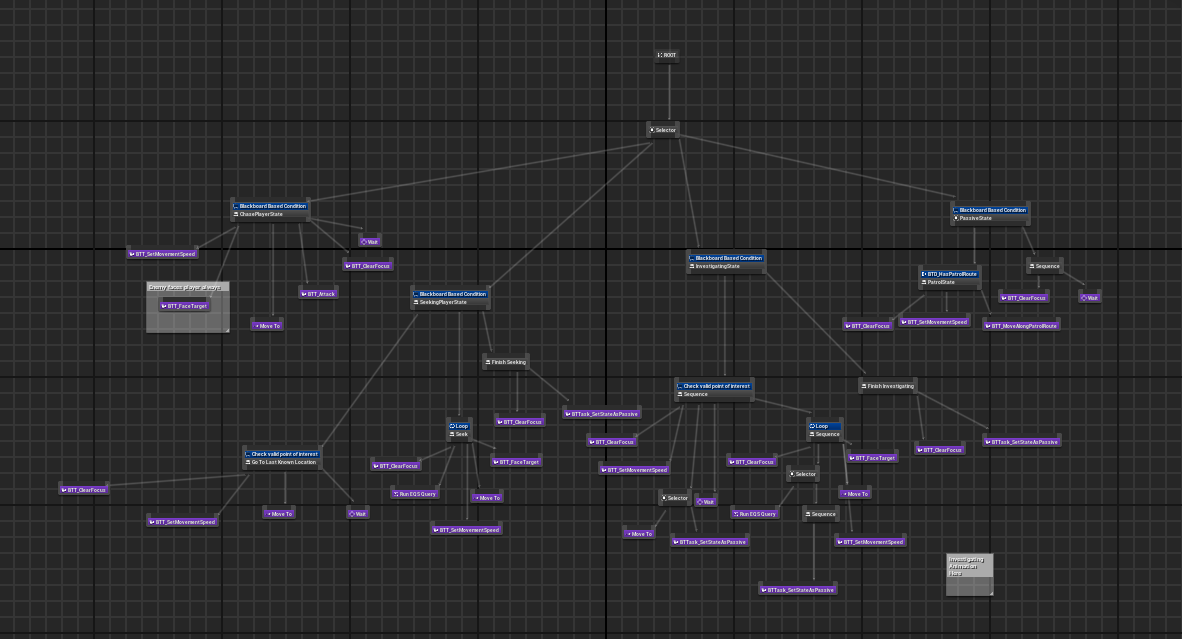
Part of the enemy behavior tree

EQS in enemy sandbox level
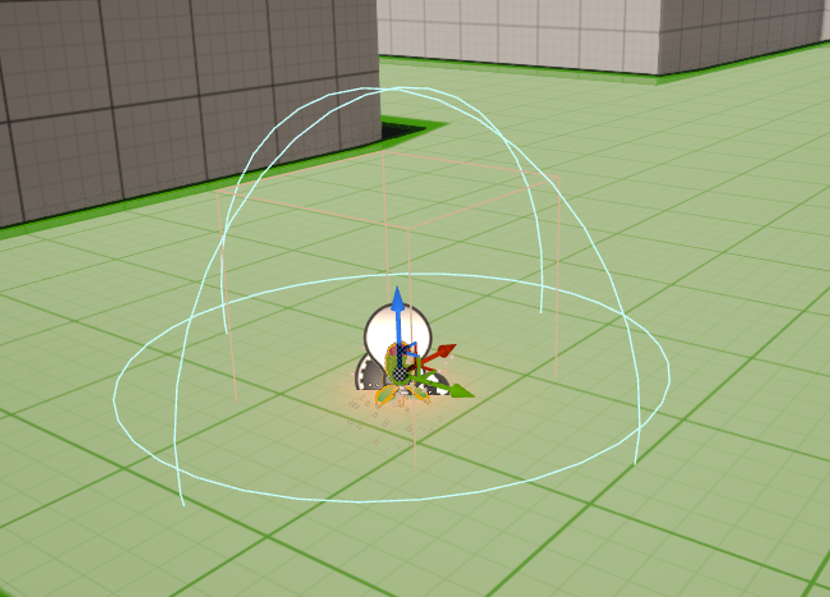
Trigger plant in enemy sandbox
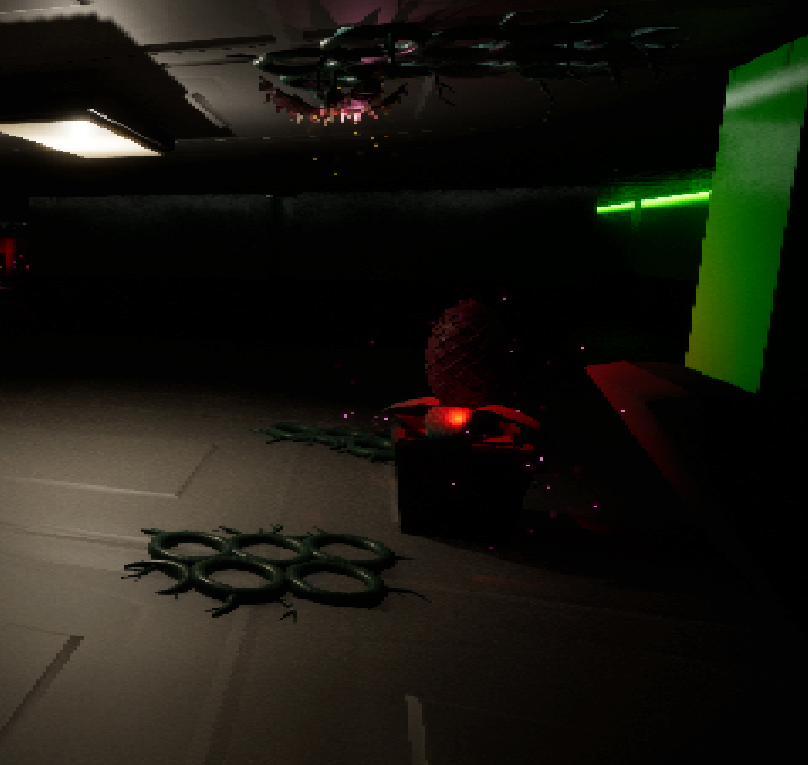
Trigger plant in a game level
User Research
Overview
For this project, I was a producer for a 10-person team. For production, I used production methods with sprint planning, team standups.
Distress Signal is a project I worked on with my team, Quiet Incline.
For this project I was a producer, systems and enemy AI designer, and user researcher.
We all started with two ideas in mind when forming the team: no shooters, and lets step into the realm of horror.
For this, we were heavily inspired by the PS2 era of horror games, aiming for something created a sense of being chased mixed with simple mechanics and a way to win and a way to lose.

Enemy pathing to trigger plant
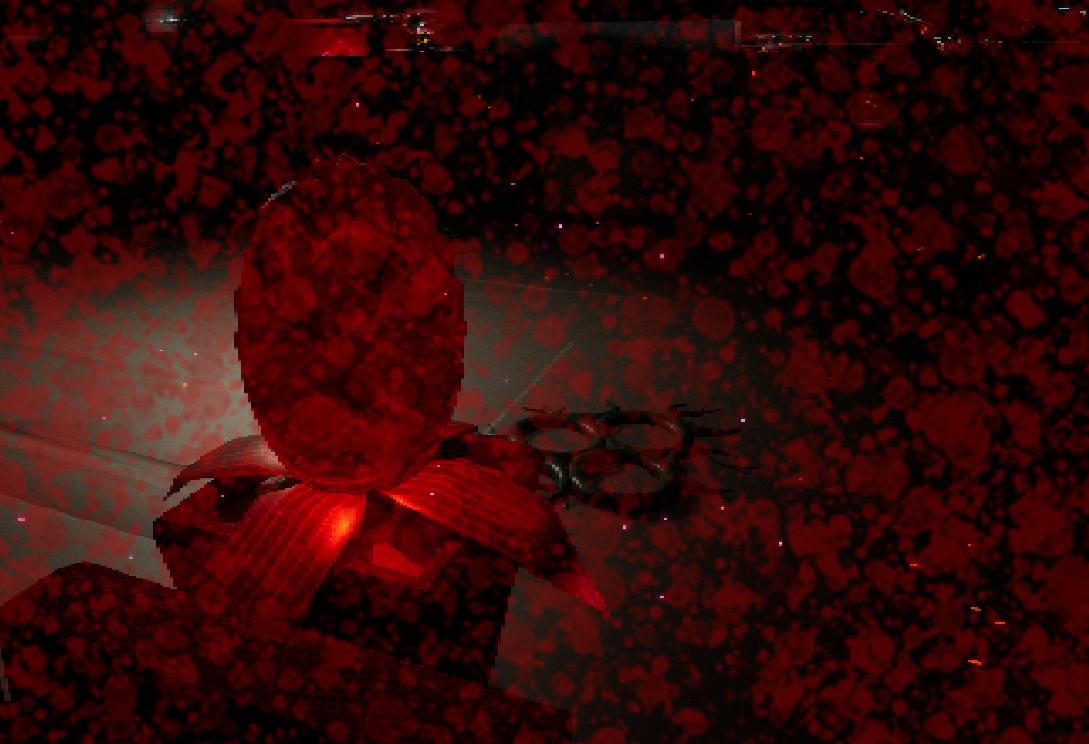
Trigger plant activated in gameplay
Another thing that was created was a simple door system to collect keycards and unlock doors for progression.
We also used some doors I created for the team in a checkpoint / level transition system as well, which helped keep enemy behavior feel more consistent when level streaming with only one enemy, narratively.
One mechanic that was created but that we didn’t get to use as we initially intended was the ability to hide.
It was in the game, but less profoundly than we initially intended.
It did pose a fun challenge when creating the enemy behavior in relation to it, though!